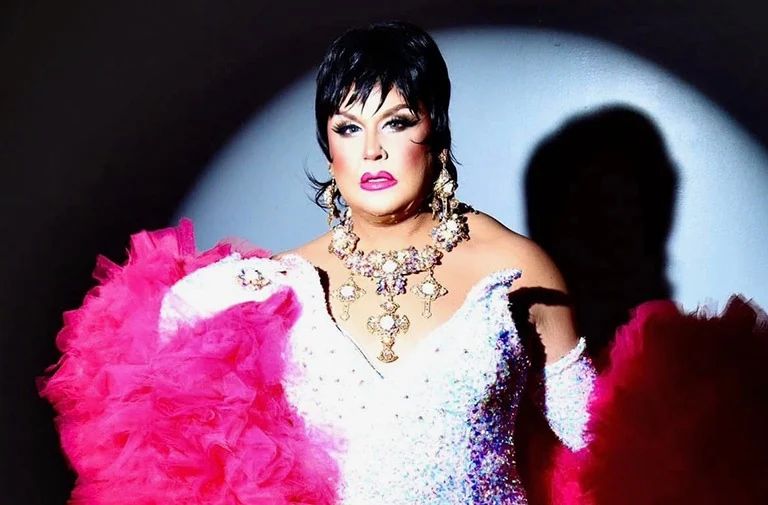
A drag performance could tell people something about a bar before anyone said it out loud.
In South Florida nightlife, performers helped signal that a space welcomed gay patrons, according to FAU professor emeritus Fred Fejes. The entertainment was also a way for people to recognize a place where they might belong.
Fejes traces that role through the region’s bars in the 1920s, 1930s and 1940s. He described performances in Miami and Fort Lauderdale as part of the history of spaces welcoming gay people, even when those spaces were not publicly identified in the terms used today.
The performances did not appear out of nowhere. Men performing as women had already been part of theatrical entertainment, including vaudeville, Fejes said. What changed was the meaning those performances took on in particular settings.
During Prohibition, bars operated underground, he explained. In some of those spaces, waiters and entertainers performed as women. Over time, the performances could suggest more than the presence of an entertaining act. They could also help identify a gathering place for gay people.
For Fejes, that visibility is central to drag’s place in LGBTQ+ culture.
“Drag has always been a really important part of LGBT culture,” he said.
He described it as a way of “marking, you know, we are here.”
That public presence also connects drag to transgender history. Fejes said some performers in the 1940s and 1950s were transgender, and performing offered a means of expressing themselves.
He emphasized that this did not describe every performer. Drag performance and transgender identity are not interchangeable, even as their histories overlap.
In Fejes’s account, a performer could help make a gathering place recognizable to people looking for one. Before a venue openly identified itself as welcoming gay patrons, a show could communicate who might find a home there.
Sign up for the OutFAU newsletter here. Follow us on Instagram: @outfau.