

When it comes to sex ed, getting accurate information can feel like searching for an outlet in a crowded lecture hall. It’s hard to know what resources to trust, where to turn, and misinformation shows up fast. Schools often skimp on details, myths travel quicker than facts, and young folx — especially those in the LGBTQ+ community — get left out entirely. A lot of students are trying to find real answers and safe spaces to ask questions.
When I worked in HIV prevention, I heard the same frustrations all the time: “Why didn’t anyone teach us this?” and “I don’t even know what’s true.” I also heard a handful of myths that keep circulating and can lead to confusion, shame, or real health risks. Here are some of the most common misconceptions — paired with facts — so you can stay informed and take control of your health.
Myth: “Trans people on HRT can’t get pregnant / get someone pregnant
Fact: Hormone replacement therapy (HRT) and other gender-affirming hormones are not birth control. Estrogen may reduce sperm production, but fertility can persist (and sometimes return). Testosterone can stop periods for many people, but ovulation can still occur. If there are sperm and eggs in the mix, pregnancy is still possible — so contraception still matters. Talk with partner(s) ahead of time about what you’re using and what your plan is.
Myth: “HIV is a ‘gay disease.’”
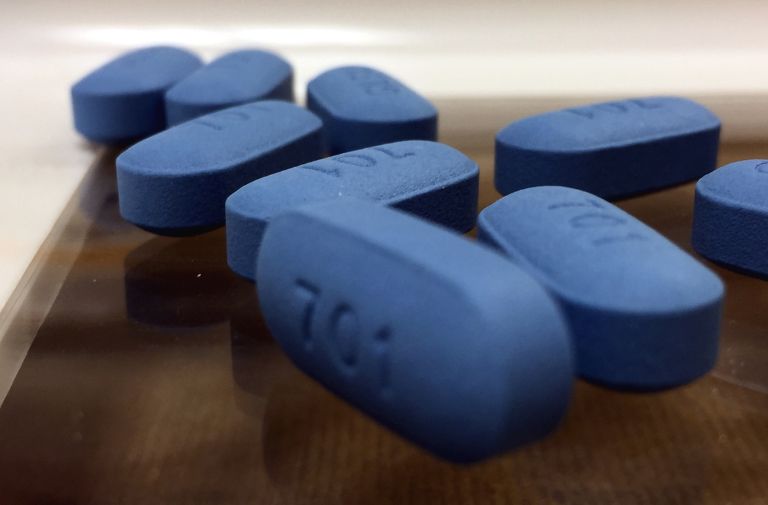
Fact: HIV affects everyone regardless of identity. Gay and bi men are disproportionately impacted in the U.S., but anyone can be born with or contract HIV. The CDC recommends everyone aged 13-64 get tested at least once, and people at higher risk test more often. Prevention tools — condoms, PrEP, PEP, and Doxy-PEP for some — are for anyone who needs them.
Myth: “Talking about testing ruins the mood.”
Fact: Communicating about safer sex is caring — and honestly, it can be sexy. If it feels awkward, make it low-pressure: grab food, watch a movie, then go get tested together. It takes the “interview” vibe out of it and builds trust. Regular screening matters because plenty of STIs have no symptoms.
Myth: STIs make someone “dirty.”
Fact: There is nothing “dirty” or shameful about having an STI or HIV. Anyone who is sexually active can contract an STI at any time. Shame-based language pushes people away from testing and treatment and increases stigma. Skip “clean/dirty” and focus on care: testing, treatment, communication, and safer-sex strategies.
Myth: “Plan B doesn’t work for people over a certain weight / BMI.”
Fact: This concern comes up a lot, and the reality is more complicated than a viral post makes it sound. Effectiveness can vary person to person, and some evidence suggests weight may affect how well certain emergency contraception works, but that doesn’t mean Plan B is useless. If you’re worried, ask a provider or pharmacist about your options, including ella (ulipristal acetate), which may be a better fit for some people.
Myth: “The only emergency contraception is pills like Plan B.”
Fact: Pills are one option, but not the only one. A copper IUD can also be used as emergency contraception if placed within five days after sex — and it can provide long-term pregnancy prevention afterward, too. If you’re deciding what to do after a scare, a clinician can help you pick the option that fits your timeline and body best.
Myth: “You can’t get STIs from oral sex.”
Fact: You can contract STIs from oral sex — gonorrhea, chlamydia, syphilis, herpes, and HPV are all possible. HIV transmission through oral sex is less common, but risk can increase if there are sores, cuts, or bleeding gums. Barriers (condoms, dental dams) and avoiding sex when you have mouth sores or cuts lowers risk. Pay attention to your body, and give yourself time to heal when you need it.
Myth: “If I’m on PrEP or birth control, I’m fully covered.”
Fact: Different tools protect against different things. PrEP protects against HIV, not other STIs, and not pregnancy. Most birth control methods (pill, patch, ring, shot, implant, IUD) prevent pregnancy but don’t protect against STIs. Barrier methods — like external or internal condoms — are the main method that reduces STI risk while also helping prevent pregnancy. A lot of people combine tools: PrEP + condoms, or birth control + condoms, plus routine testing and vaccines like HPV and hepatitis A/B.
Myth: “If I had sex a few days ago, an HIV / STI test will definitely catch it.”
Fact: Tests have “window periods,” meaning very recent exposures may not show up right away. That’s why routine screening matters, and why timing can be important. If you think you were recently exposed to HIV, ask a clinician about PEP as soon as possible.
Let’s Be Real
It can be awkward to ask questions about sex, especially when you don’t know where to turn. For LGBTQ+ folks, it can feel even harder — because even healthcare providers aren’t always trained to support queer and trans patients well.
That's why Compass LGBTQ+ Community Center in Lake Worth is here. Compass offers free, confidential HIV/STI testing, linkage to treatment, and prevention options like PrEP, PEP, and Doxy-PEP (for some). They also provide free condoms, dental dams, lube, and Plan B (when available). Have questions and don’t know where to go? Ask me. No question is stupid, weird, or off-limits. You deserve accurate info — and care that respects you.
Have questions and don’t know where to start? Reach out.
561-533-9699 ext. 4005
Sign up for the OutFAU newsletter here. Follow us on Instagram: @outfau.