

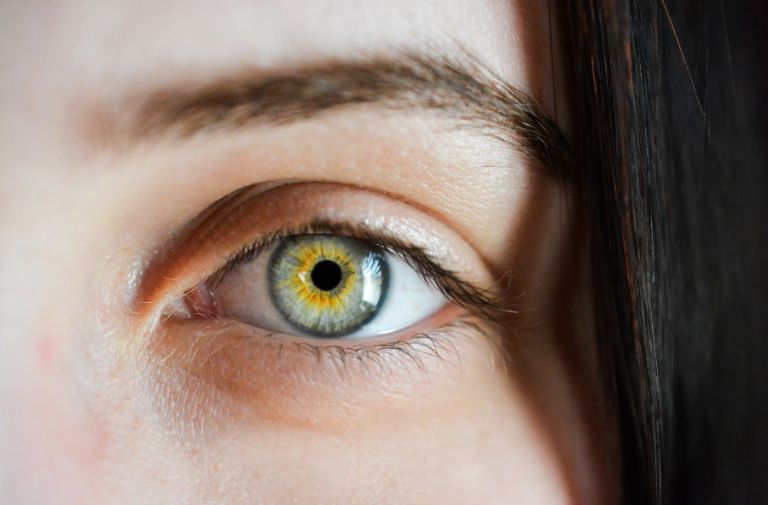
You stare in the mirror. The same thin patches, the same frustration you've been carrying for months. If your eyebrows stopped growing back, you're far from alone, and the cause usually isn't just bad luck or genes. Most people assume sparse brows are permanent, but there's almost always something identifiable driving the slowdown. Brow hair runs on its own growth cycle, and that cycle can stall for all kinds of reasons: over-plucking, nutritional gaps, stress hormones quietly wrecking follicle function. Knowing what's happening under the skin is the first real step toward fixing it. Serums designed to target follicle health have become one of the most common tools people reach for when they're trying to get fuller brows back. Here's the science behind why eyebrows stop growing, and what topical treatments can actually do about it.
The Real Reasons Your Eyebrows Stopped Growing Back
It all starts with the follicle. A brow serum for fuller, thicker brows works by targeting the follicle directly, but that approach only makes sense once you understand what's been disrupting growth in the first place. Brow follicles are surprisingly reactive, hormonal shifts, nutrient shortfalls, physical trauma, chronic stress; they respond to all of it. Thinning brows are rarely caused by a single thing. It's usually a combination of factors that build on each other until the hairs that do come in are finer, shorter, and patchier than they once were. Identifying the actual cause matters because different problems need different solutions. Some people have to sort out an underlying health issue before any topical product will move the needle; others just need to give their follicles a better environment and some time. Start with the most common culprits.
Over-Plucking and Follicle Damage
Repeated plucking is one of the biggest reasons brows don't come back the way they should. Every time you pull a hair from the root, you're causing minor trauma to the follicle. Do it enough times and some follicles scar over, simply stopping production entirely. Not everyone experiences this, but people who spent years aggressively shaping their brows in the '90s or early 2000s, when pencil-thin arches were fashionable, often find their follicles won't recover without help. The damage is cumulative. A follicle plucked dozens of times isn't in remotely the same condition as one that's been left alone. Waxing and threading cause similar trauma if used repeatedly on the same areas. But here's the thing: a follicle damaged by over-plucking may still be alive, just dormant, and the right serum ingredients can sometimes reactivate sluggish follicles by improving circulation and nutrient delivery right at the root.
Nutritional Deficiencies and Health Conditions
Your brows need more than a good serum. They need your body to actually support hair growth from the inside out. Iron, biotin, zinc, and vitamins D and B12 deficiencies are all tied to hair thinning and slower regrowth, and these shortfalls are more common than most people realize, especially in women. Thyroid disorders, both hypothyroidism and hyperthyroidism, frequently cause thinning at the outer third of the brow; that pattern is one of the most recognizable signs of thyroid-related hair loss. Alopecia areata can affect brows too. Hormonal changes tied to pregnancy, postpartum recovery, or menopause shift the body's priorities and can temporarily put brow growth on pause. So if your brows thinned out around a major life change, that timing is worth noting. Get bloodwork done if you haven't already. Treating a thyroid issue or correcting an iron deficiency can restart growth that no product on its own would have managed.
How the Brow Growth Cycle Actually Works
Most people know that hair grows, but few realize brow hair runs on a cycle completely separate from scalp hair, and a much shorter one. Scalp hair stays in its active growth phase for two to six years. Brow hair? Only four to six months before it moves into a resting and shedding phase. That's why brow hairs stay short, and it's why any disruption to the cycle shows up in your brows faster than it would on your head. The cycle has three stages, and which stage a follicle gets stuck in determines how your brows look right now.
The Three Phases That Control Brow Regrowth
Anagen is active growth. Catagen is a brief transitional period where the follicle shrinks. Telogen is resting, followed by shedding. Healthy follicles move through these stages on their own schedule; stress, nutritional gaps, hormonal disruption, and physical damage can all knock follicles out of anagen too early or stretch the telogen phase well past its normal length. The result is fewer hairs actively growing at any given moment, which is why the brow looks patchy even when the follicles aren't dead. And that distinction matters: a follicle stuck in extended telogen can often be nudged back into anagen with the right stimulus. That's exactly where growth serums are meant to come in. Products that improve blood flow to the follicle, deliver growth-supporting peptides, or extend the anagen phase directly are built to address this problem at the cycle level.
What Serums Do That Pencils and Powders Can't
Pencils, pomades, powders, they fill gaps visually. Nothing more. Serums work at the root. The goal is to create conditions where dormant follicles can wake up and existing hairs can grow thicker and longer before shedding. That's a biological change, not a cosmetic one.
It also takes time. Most people who see real results from a brow serum notice the first difference around six to eight weeks, with fuller results at the twelve-week mark or beyond. Consistency matters more than anything else here; daily application, even when you can't see progress yet, keeps the follicle in the right environment for growth to occur.
What to Look for in an Effective Brow Serum
Ingredient quality is what separates products that actually work from those that just feel nice. Peptides matter enormously, particularly those that signal the follicle to stay in the growth phase, which are among the most studied actives in this category. Topical biotin can support the keratin structure of the hair shaft itself. Castor oil and plant-based fatty acids help condition the follicle and the surrounding skin. Panthenol strengthens existing hairs and cuts down on breakage, which makes brows look denser even before new growth is visible. Avoid formulas heavy on synthetic fragrances, alcohols, or parabens; these can irritate the follicle and work against any growth benefits. A clean, plant-based formula with targeted actives is worth the extra scrutiny. Check for third-party testing or a growth guarantee before you commit, because a brand that's confident in its formula tends to back it with one.
Conclusion
The reason your eyebrows stopped growing back probably isn't a mystery, but it does take some digging. Over-plucking, nutrient deficiencies, hormonal shifts, and a disrupted growth cycle are the most common causes, and most of them can be addressed. Serums work. They target the follicle directly, building better conditions for the growth cycle to function the way it's meant to. Choosing a formula with actives that are actually tied to follicle health, applying it consistently, and giving it enough time, those are the things that matter most. If an underlying health condition is driving the problem, tackle that first. But for most people, a targeted serum plus a bit of patience is what finally gets the brows growing again.
The views, opinions, and recommendations expressed in this article are solely those of the author and are provided for informational and editorial purposes only. They do not constitute professional advice and should not be relied upon as such. OutSFL makes no representations or warranties regarding the accuracy, completeness, or applicability of the content and assumes no liability for any actions taken based on it. The views expressed do not necessarily reflect those of OutSFL.