

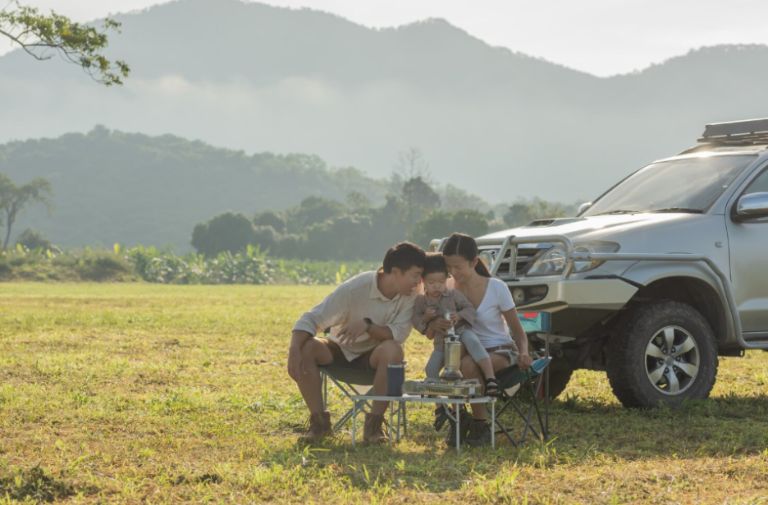
It can be quite confusing to pack for a weekend camping trip. You are afraid of forgetting some basic things, overpacking things you really do not need, or being unable to put your life in order once there. Simultaneously, you want to be comfortable without losing mobility, especially when you have limited car space.
With this in mind, it is these little surprises that can make what would otherwise be an exciting plan turn into a nightmare. But packing, with a well-organized strategy and a smart checklist, is quick and meaningful.
So, it’s all about knowing what will really matter during a brief outdoor campout and how to strike a balance between convenience and readiness.
This article is a step-by-step guide to packing for a weekend camping trip that will help you be comfortable, well-organized, and prepared for any circumstance.
1. Start With Smart Storage And Transport
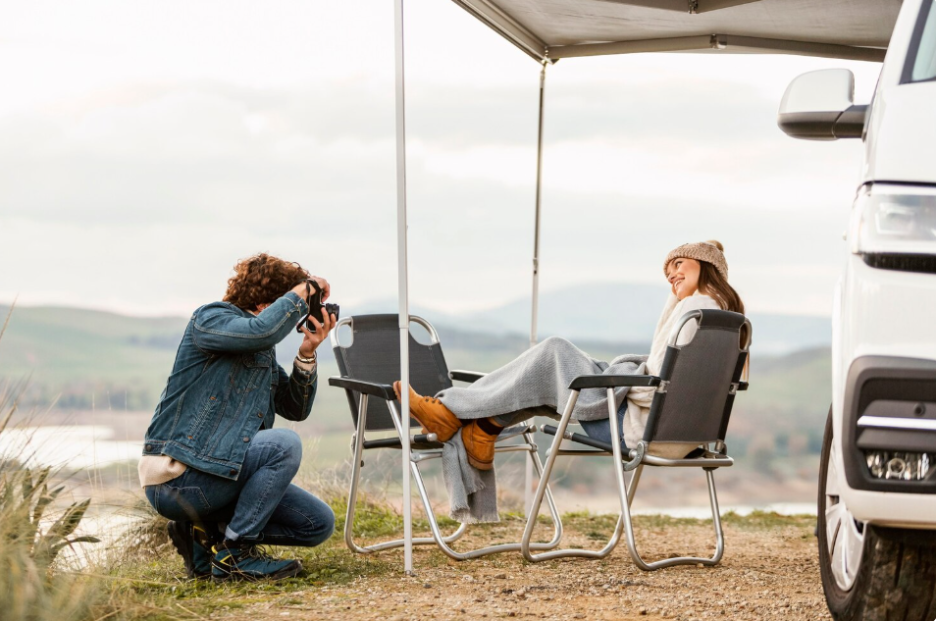
When you are packing individual items, think about how you will arrange and carry them. Effective storage will help avoid clutter and ease setup once you get to your camp.
An example is when you are on a road trip and have a Toyota Sequoia roof rack; it will increase your carrying capacity and allow you to leave bulky items like tents on the roof rack. Also, sort your equipment into groups, e.g., cooking, sleeping, and clothing.
Labeled containers or durable bags should be used to separate them. This will save time, and you will be able to find things quickly when required. In addition, it is better to have things you will use regularly at hand, resulting in fewer items to unpack when you are away.
2. Prepare Steady Shelter And Sleeping Supplies
After you have the storage plan, you should work on your shelter and sleeping arrangements. It should have a high-quality tent appropriate to the weather conditions to ensure comfort and safety. Select one that is easy to put together and offers adequate ventilation.
Bring a sleeping bag with you which can withstand the predicted temperatures, along with the tent. A sleeping pad or inflatable mattress can be used to increase comfort by insulating the ground. Also, have a ground tarp to cover your tent and keep the moisture at bay. It is also possible to bring an additional blanket, which will add more warmth on cold nights.
3. Prepare A Practical Cooking Setup
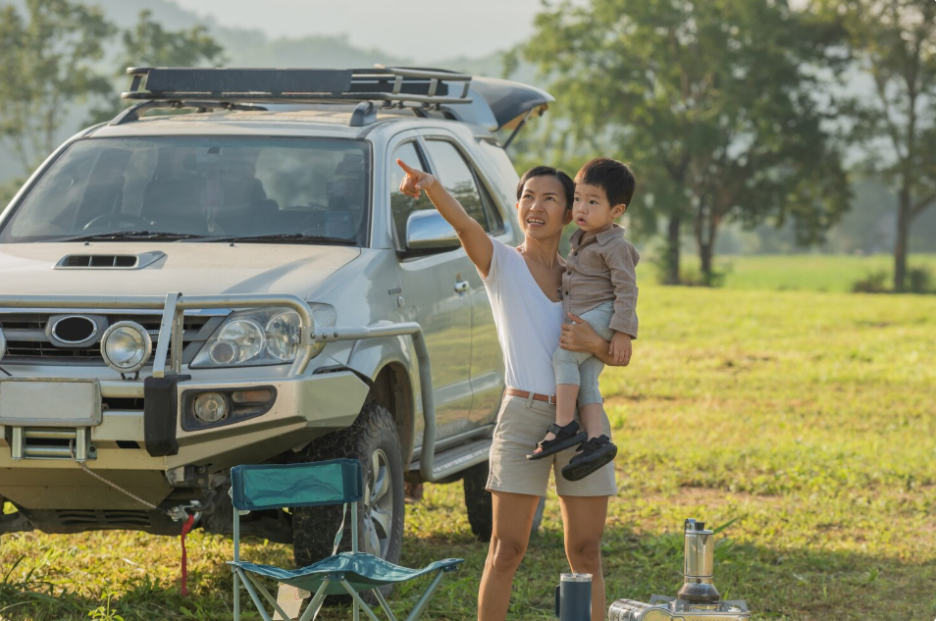
Food is one of the key elements of your camping, so think over your cooking equipment. Begin with a portable stove or grill, and bring fuel and a reliable ignition source.
Then pack simple cooking equipment, including a pot, pan and utensils. Lightweight, durable materials should be chosen to reduce your load. To store food, use insulated coolers or a portable fridge to preserve freshness.
Preparing easy meals will save on packaging and time spent preparing meals at the camp. Ready-to-cook meals and pre-cut ingredients will also help make your outdoor cooking practice easier.
4. Bring Weather-Appropriate Clothing
Your wardrobe has a lot to do with being comfortable when you are outside. Plan, pack according to the weather forecast, and anticipate the unexpected. Begin with moisture-wicking base layers to keep you dry.
Layering remains essential. Wear a warm mid-layer and a rainproof outer layer to stay dry in case of rain or wind. Night can be chilly even during warm weather, and the additional layers come in handy.
Bring strong shoes and additional socks, too. Comfort can be further enhanced with accessories such as hats or sunglasses that can be adjusted to the conditions. Always carry a spare pair of clothes so you can be sure to stay dry and comfortable during the journey.
5. Do not neglect Safety and Navigation Tools
Camping needs to be comfortable, yet safe. Start with a first aid kit that is well prepared, with the basic kit and personal medication.
Navigation tools, as well, are significant, particularly trail explorations. Always have a map, compass or a GPS. You may depend on your phone, but make sure you have offline maps.
Additionally, pack a flashlight or headlamp with extra batteries. A multi-tool can also be useful for handling small tasks or repairs. Carrying a whistle or emergency signal device can add an extra layer of safety.
6. Include Comfort And Convenience Items
Finally, consider items that improve your overall experience. Folding chairs and a compact table can make relaxing and dining more comfortable.
Bring personal hygiene items such as biodegradable soap, a toothbrush, and towels. Wet wipes and sanitizer are useful when water is limited.
You may also include a portable power source to keep essential devices charged and a lightweight blanket for added comfort. Small entertainment items like books or cards can help you unwind during downtime.
Final Thoughts
Packing for a weekend camping trip becomes easier when you focus on essentials that support comfort, safety, and efficiency. Instead of overpacking, prioritize items that truly enhance your experience.
From organizing your gear to choosing reliable shelter and practical cooking tools, each step contributes to a smoother trip. Additionally, proper clothing and thoughtful extras ensure you remain prepared without unnecessary bulk.
As a result, you spend less time managing logistics and more time enjoying nature. With a clear and structured approach, your camping trip becomes a balanced mix of relaxation, adventure, and convenience, allowing you to fully appreciate the outdoors while staying prepared for unexpected situations.
The views, opinions, and recommendations expressed in this article are solely those of the author and are provided for informational and editorial purposes only. They do not constitute professional advice and should not be relied upon as such. OutSFL makes no representations or warranties regarding the accuracy, completeness, or applicability of the content and assumes no liability for any actions taken based on it. The views expressed do not necessarily reflect those of OutSFL.