
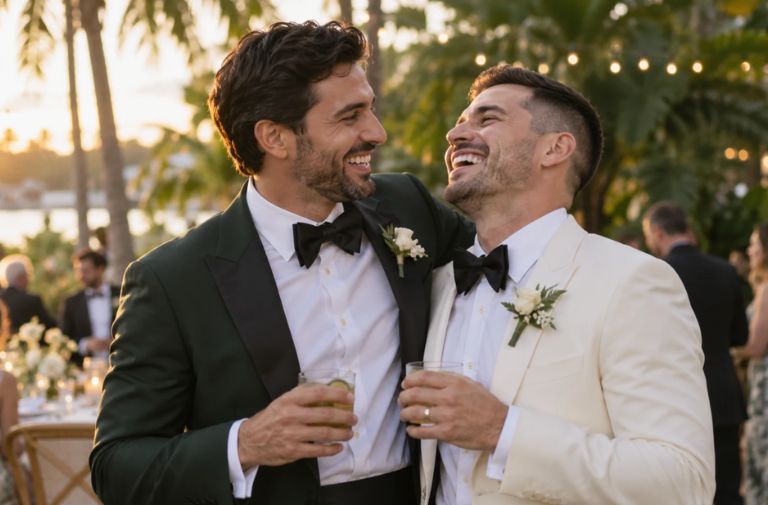
South Florida runs its weddings on a weather calendar. Ceremonies stack up between November and April, when the humidity backs off and a garden reception in Wilton Manors or a beach setup in Key West stops feeling like a gamble against hurricane season. Couples who got engaged over the holidays are already looking at venues for next winter, which puts roughly twelve months between the ring and the aisle.
That happens to be the same window orthodontists ask for. A fair number of those plans begin with a phone search for the best orthodontist near me, typed somewhere between a venue deposit and an argument about the guest list. Starting there instead of six weeks before the rehearsal dinner changes what is possible.
Why twelve months keeps coming up
Adult cases split into two rough categories. Mild crowding or a bit of relapse from teenage braces, the kind where teeth shifted a few millimeters over fifteen years, often clears in four to nine months with aligners. Anything involving bite correction, closing gaps across multiple teeth, or rotating a stubborn canine runs twelve to twenty-four months with brackets or a longer aligner sequence.
A year gives room for the first category to finish comfortably and for the second to reach the stage where the front teeth photograph well, even when treatment continues afterward. Orthodontists work the front six upper teeth early in most plans, since those move fastest and drive the visible result. The bite work that nobody sees in photos usually happens later.
Couples who walk in at three months out get a different conversation. Something can still be done, mostly cosmetic alignment of a couple of teeth, and the honest answer sometimes involves waiting until after the honeymoon.
The photo calendar matters as much as the ceremony date
Weddings generate pictures long before the wedding. Engagement shoots, save-the-dates, the bachelor or bachelorette weekend somebody will post about, plus whatever a photographer captures at the shower. Each of those lands on a different month, and orthodontic hardware shows up in all of them.
Aligners come out for a photo session, which is the reason a lot of people getting married choose them. The tooth-colored attachments bonded to the enamel stay put, and they can pick up a little stain from red wine or espresso between tray changes. Ceramic brackets photograph better than steel at conversational distance and disappear entirely in wide shots.
|
Time before the wedding |
What should be happening |
|
12 months |
Consultation, digital scan, records, treatment plan and quote |
|
10 to 11 months |
Brackets bonded or first aligner trays delivered |
|
6 months |
Midpoint check; engagement shoot works fine with aligners out |
|
3 months |
Detailing stage; confirm a debond or final tray date with the office |
|
6 to 8 weeks |
Hardware off, retainers delivered and fitted |
|
3 to 4 weeks |
Whitening, if planned, once the enamel has settled |
Whitening waits, and the reason is chemistry
Peroxide gel cannot reach enamel underneath a bonded bracket, so whitening during fixed treatment produces a patchwork that shows up the day the brackets come off. Aligner wearers have more freedom, though attachments create the same shading problem in miniature.
Most offices ask patients to wait two to four weeks after debonding before whitening. Enamel holds extra sensitivity right after the bonding resin gets polished off, and the shade result comes out more even once the surface stabilizes. Booking whitening a month before the ceremony leaves time for a touch-up if the first round lands lighter on one side.
Vetting an office past the first page of search results
Orthodontists complete two to three years of residency after dental school, which general dentists offering aligner treatment have not. Both can legally provide the service in Florida, and the difference tends to show up in complicated cases rather than simple ones.
- Is the provider board certified by the American Board of Orthodontics, and how recently was that renewed?
- Does the orthodontist perform adjustments personally, or does an assistant handle most visits?
- Do intake forms accept a chosen name, and does the front desk handle a same-sex spouse on the insurance paperwork without a pause?
- Who answers a broken bracket call on a Saturday, and is there a fee for it?
- Does the quoted price include retainers plus a replacement policy?
Ask about the emergency question specifically. A wire poking a cheek the week of a wedding turns into a real problem when the office closes at noon on Friday and reopens Tuesday.
Paying for orthodontics during the most expensive year of your life
The Knot's annual survey puts the average American wedding somewhere around $33,000, and South Florida venues sit above that number. Adding $3,500 to $8,000 of orthodontic treatment on top requires some sequencing.
Dental insurance helps less than people expect. Many plans apply a lifetime orthodontic maximum in the range of $1,000 to $2,500, and a good number restrict coverage to dependents under 19, which leaves adults paying the full amount. Worth checking before the consultation rather than after. Flexible spending accounts do cover orthodontics, with an annual contribution cap a little above $3,000, and couples on separate employer plans can each contribute. Most practices spread the balance across the treatment months at no interest, which lines the payments up with the same window absorbing catering deposits.
Two people marrying each other sometimes go in together. Offices see this often enough that many will run both consultations in one appointment and quote the pair, occasionally with a small family discount attached.
The part that continues after the last dance
Retention starts the day the brackets come off and does not stop. Teeth drift throughout life, faster in the first six months after treatment, which means the honeymoon suitcase needs a retainer case in it. A clear retainer left wrapped in a napkin at a resort buffet is one of the more common ways people lose a year of work, and replacements run $150 to $500 depending on the type.
Some orthodontists bond a thin wire behind the lower front teeth for permanent retention, which removes the losing-it problem entirely for that arch. Ask about it at the twelve-month consultation, since the answer shapes what happens for the next thirty years of anniversaries.
The views, opinions, and recommendations expressed in this article are solely those of the author and are provided for informational and editorial purposes only. They do not constitute professional advice and should not be relied upon as such. OutSFL makes no representations or warranties regarding the accuracy, completeness, or applicability of the content and assumes no liability for any actions taken based on it. The views expressed do not necessarily reflect those of OutSFL.