

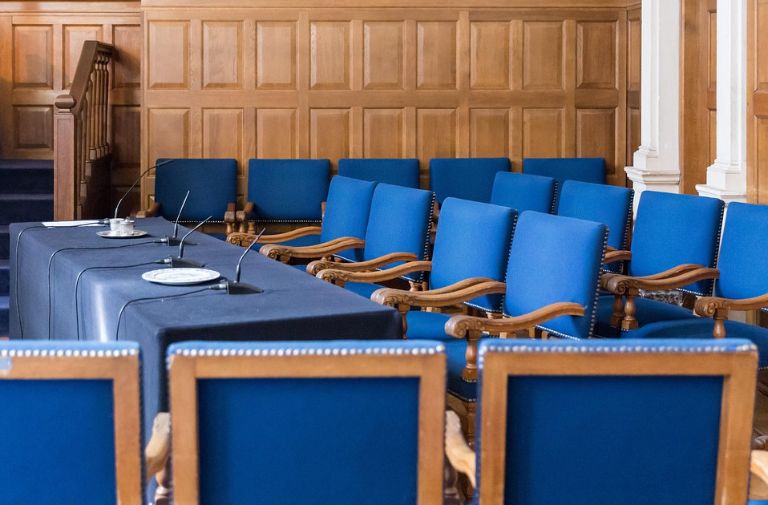
Florida’s legal environment is as diverse and high-stakes as the state’s 67 counties, stretching from the bustling, high-verdict courtrooms of Miami to the more conservative jury pools in the Panhandle.
As of 2026, the Sunshine State’s shift to a modified comparative negligence system has introduced a critical psychological threshold for every civil trial: the 51% bar. Jurors are now tasked with a decision that can instantly zero out a victim’s recovery if they are found even slightly more than half at fault. Because Florida juries often reflect a wide spectrum of socio-economic backgrounds, their deliberations are heavily influenced by "anchoring" effects—where initial damage numbers or fault percentages discussed in opening statements set a mental baseline for the entire trial.
Navigating these subconscious leanings requires a sophisticated understanding of how ordinary citizens weigh technical medical data against personal sympathy. To ensure that your story is framed to overcome these inherent biases and maximize your recovery under the new laws, the strategic advocacy of the Distasio firm is indispensable. Their board-certified expertise helps demystify the complex motivations that drive a Florida jury to a favorable verdict.
First Impressions and Preconceptions
Jurors come to the courtroom with their own stories, experiences, and beliefs. These preconceived notions may influence how they perceive the evidence presented during the trial. At times, jurors exhibit unconscious bias toward parties who appear friendly, relatable, or credible. Such pronouncements often come before the evidence has been fully considered. It is critical for both lawyers and claimants to recognize these biases.
Emotional Responses and Sympathy
Emotions are often a factor in jury decisions. Damage trials often feature narratives pieced together with pain, misery, or suffering. Jurors may sympathize with plaintiffs, particularly where they seem to have sustained substantial or life-changing injuries. Judges and juries can be swayed by pity when awarding damages and reaching a decision. Jurors seek to be objective, but emotions often lead them to decide in one direction or another.
Group Dynamics and Peer Influence
Jury rooms are group settings, and certainly, there is social influence in deliberations. Some are more talkative than others, influencing others to think their way. Some may fear disagreeing, as they would consider it an act of contention. The social pressures of the jury room can influence decisions—even jurors who are firm in their opinions often compromise to reflect the majority position.
Complex Evidence and Understanding
Injury trials typically involve technical or medical evidence. For ordinary jurors unfamiliar with technical matters, interpreting complex information can be difficult. They would be confused and might rely on the expert witness's clarity or relegate the evidence to their own knowledge. How witnesses are perceived, and what attorneys can communicate clearly about the facts, will affect the weight of the evidence.
Moral Judgments and Fairness
Most jurors apply ideas of right and wrong when analyzing cases. They might wonder whether the Defendant acted reasonably or whether the Plaintiff was to blame for their injury. Liability and damage awards may be affected by these moral judgments. Every juror tries to be fair, making every effort to deliver justice in accordance with their moral compass.
Perceived Credibility of Witnesses
Jurors often give more weight to the testimony of those who testify. The more confident, consistent, and honest a witness comes across as, the more persuasive he or she tends to be. On the other hand, any uncertainty or ambiguity can make the testimony suspect. Jurors routinely base their decisions on witnesses' credibility.
Instructions and Legal Guidance
Judges give jurors instructions on the legal standards. But things get tangled up when complex language or jargon is used. Different jurors hear the exact same instruction and understand it in different ways. This has a direct bearing on the consistency of the judgments and the fairness of the decisions, as judicial guidance is seldom effective.
Media Influence and Public Opinion
Even when precautions are taken to prevent jurors from being swayed, widespread media coverage can still indirectly influence them. Expectations can be formed from news stories, social conversations, or prior familiarity with high-profile cases. Even though jurors should base their decisions solely on the evidence presented, outside influences sometimes undermine the process, degrading deliberative impartiality.
Conclusion
The psychology of jury decisions in injury trials is a tangled web of influences. Understanding these psychodynamics may help the legal community and the public better comprehend verdicts. While jury decisions might never be fully predictable, understanding those and other factors can lead to fairer results and better advocacy in injury cases.