

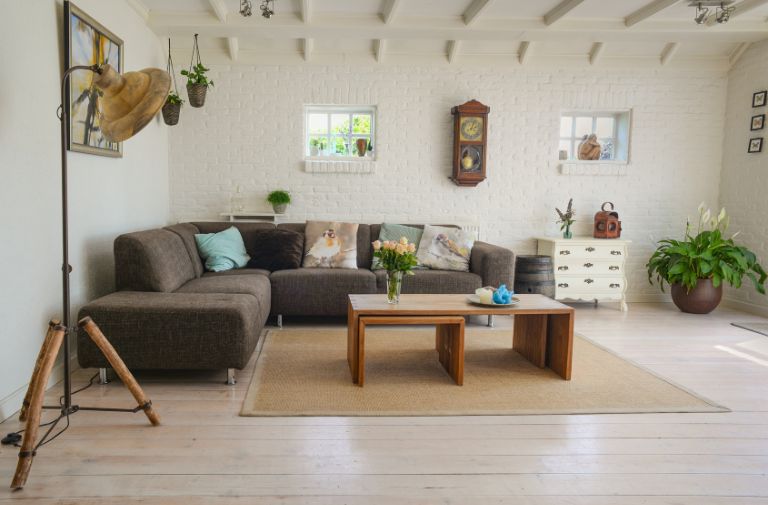
A home does not need a complete transformation to feel more comfortable, functional, or personal.
Sometimes, the changes that make the biggest difference are the ones that improve how a space works every day. Better lighting, more practical storage, refreshed finishes, and thoughtful updates to high-use rooms can change the way a home feels without requiring homeowners to rethink everything at once.
For people considering where to start, focusing on the areas used most often can make home improvements feel much more manageable.
Start With the Rooms You Actually Use
It can be tempting to begin a renovation with the most visually impressive room, but the spaces that affect everyday life are often more important.
Kitchens, bathrooms, living rooms, entryways, and bedrooms tend to have the biggest impact on comfort because they are used constantly.
Before making changes, think about what creates frustration in the current layout.
Is there not enough counter space? Are cabinets difficult to organize? Does the room feel too dark? Is furniture blocking natural movement through the space?
Identifying those problems first can help homeowners choose improvements that provide more than just a cosmetic change.
Make the Kitchen Easier to Live In
The kitchen is one of the clearest examples of a room where design and function need to work together.
A good kitchen should support cooking, storage, cleaning, and everyday gathering without making simple tasks unnecessarily difficult.
Smaller improvements can include replacing outdated lighting, reorganizing storage, adding shelves, updating cabinet hardware, or introducing a more practical work surface.
For larger projects, homeowners planning a kitchen remodel may want to think carefully about traffic flow, cabinet placement, counter space, and how the kitchen connects with nearby living areas before making purely decorative choices.
The goal should be to create a room that works better for the people who actually use it.
Improve Lighting Before Changing Everything Else
Lighting can completely alter how a room feels.
A space that seems dated or uncomfortable during the day may simply be too dark or dependent on one harsh overhead fixture.
Layered lighting usually works better.
That can mean combining ceiling lights with table lamps, floor lamps, under-cabinet lighting, or task lighting in areas where people read, cook, work, or get ready.
Natural light should also be considered when arranging furniture.
Keeping large pieces away from windows and using lighter window treatments can help rooms feel more open without changing the structure of the home.
Use Storage to Reduce Visual Clutter
Clutter can make even a well-designed room feel smaller.
Instead of adding more storage everywhere, focus on the places where belongings naturally accumulate.
Entryways may benefit from hooks, baskets, or a narrow cabinet for shoes. Kitchens can use drawer organizers or pull-out storage. Living rooms may need concealed storage for chargers, games, or everyday items.
The best storage solutions are usually the ones that make frequently used objects easier to put away.
If storage requires too much effort, clutter tends to return quickly.
Refresh Surfaces Strategically
Homeowners do not always need to replace every finish in a room.
Sometimes, updating one or two prominent surfaces can make the entire space feel newer.
Fresh paint is one of the simplest examples. Changing wall color can brighten a room, create contrast, or make existing furniture feel more intentional.
Cabinet fronts, hardware, backsplashes, faucets, mirrors, and light fixtures can also have a significant visual impact without changing the basic structure of the room.
Choosing a few focused improvements can keep a project from becoming unnecessarily large.
Think About Comfort, Not Just Appearance
Design trends change quickly, but comfort tends to remain important.
A beautiful room that is uncomfortable to use will eventually become frustrating.
Consider where people naturally sit, gather, walk, and store things. Make sure furniture allows enough space to move comfortably and that commonly used items are easy to reach.
In bedrooms, this may mean better lighting beside the bed or more practical closet organization.
In living areas, it may mean adjusting furniture placement so conversation feels easier.
In bathrooms, improving storage and lighting can sometimes matter more than replacing decorative finishes.
Let Your Home Reflect the People Living There
Homes feel more welcoming when they contain personal details rather than looking like identical versions of a trend.
Artwork, photographs, books, collected objects, plants, textiles, and meaningful pieces can give a space personality.
This does not require filling every wall or shelf.
A few carefully chosen items often have more impact than decorating simply to make a room feel “finished.”
People should feel comfortable using their homes rather than worrying about maintaining a picture-perfect appearance.
Update Outdoor Areas Too
Outdoor spaces are another area where modest improvements can create more usable living space.
A small patio can become more inviting with comfortable seating, shade, lighting, and plants.
Balconies can benefit from compact furniture and vertical greenery.
Even an entryway can feel more welcoming with improved lighting, a clean walkway, and a few simple landscaping updates.
The goal is not necessarily to create a dramatic outdoor entertaining area. It is simply to make the space somewhere people actually want to spend time.
Make Changes Gradually
One of the easiest ways to become overwhelmed by home improvement is trying to complete everything at once.
A better approach can be to prioritize projects based on daily impact.
Start with the room that causes the most frustration. Finish that project, live with the changes for a while, and then decide what should come next.
This can also help homeowners understand their own preferences more clearly instead of making several expensive decisions at the same time.
A Better Home Does Not Have to Mean a Bigger Project
Improving a home is ultimately about making everyday life easier and more enjoyable.
That might mean updating an entire kitchen, but it could just as easily mean adding better lighting, creating smarter storage, rearranging furniture, or refreshing a room with paint and new fixtures.
The most successful upgrades are often the ones that solve a real problem while still making the space feel more personal.
By focusing on function, comfort, and the way each room is actually used, homeowners can create spaces that feel noticeably better without turning every improvement into a major renovation.
The views, opinions, and recommendations expressed in this article are solely those of the author and are provided for informational and editorial purposes only. They do not constitute professional advice and should not be relied upon as such. OutSFL makes no representations or warranties regarding the accuracy, completeness, or applicability of the content and assumes no liability for any actions taken based on it. The views expressed do not necessarily reflect those of OutSFL.