Weekend nights in Wilton Manors and Fort Lauderdale bring packed venues, high foot traffic, and an energetic nightlife scene. However, high-density environments often create temporary hazards that can lead to severe slip-and-fall injuries. Anyone who has navigated a shoulder-to-shoulder crowd on a slick tile floor knows how quickly an accident can happen.
Regional safety officials routinely emphasize situational awareness ahead of busy holiday weekends to mitigate preventable risks in crowded public spaces. This guide covers practical measures to reduce your risk of injury in crowded South Florida establishments, and the key steps to take if an accident occurs.
How Do Crowded South Florida Bars Create Safety Risks?
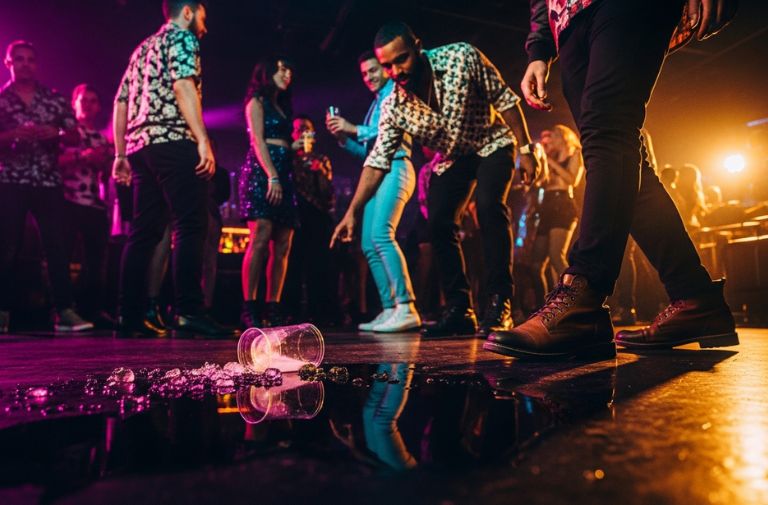
Think about the average Friday night scene: low lighting, liquid spills, rapid foot traffic, narrow walkways, elevated noise, and reduced reaction times all competing for your attention at once. A recent dockside incident in Fort Lauderdale showed exactly how fast a dense public environment can turn dangerous when movement space shrinks. Dance floors and service areas remain particularly vulnerable because patrons are constantly carrying drinks through crowded areas. Weekend density in nightlife districts significantly increases the risk of slip-and-trip and collision hazards.
Industry data backs this up in a big way. Nearly 11,000 slip-and-fall incidents occur in American restaurants every day, totaling around 4 million each year. The financial hit is just as staggering; the restaurant industry spends over $2 billion annually on slip-and-fall injuries. On top of that, these liability costs keep rising by roughly 10% year over year.
Even minor mistakes in tightly packed spaces can snowball into severe physical harm and costly medical bills. General liability claim severity jumped 45 percent between 2020 and 2024, from $70,000 to $101,000. Transitory hazards on polished concrete or tile, like a spilled margarita that nobody mopped up, pose an immediate danger to unsuspecting guests walking through. Staying vigilant in these environments helps prevent routine missteps from becoming permanent.
What Personal Habits Reduce the Risk of Falls and Collisions?
Here's the thing: you actually have a lot of control over your own safety, more than most people realize. Footwear choice has a huge impact on physical stability, especially when wet, polished surfaces are the norm in hospitality settings (and yes, that includes the patio). Intoxication makes everything worse by reducing depth perception, balance, and your ability to spot hazards before you're already stepping in them. Officials repeatedly urge South Florida residents to keep basic safety awareness at the forefront of their minds and avoid alcohol-impaired risk during busy recreational weekends.
Sound familiar? You've probably had at least one night out where you realized halfway through that your shoes were a terrible idea. Using deliberate movement strategies can meaningfully reduce your risk of injury. With head trauma and spinal injuries often resulting from commercial falls, adopting a few defensive walking habits goes a long way. Here's what actually helps:
- Wear shoes with stable traction instead of smooth-soled fashion footwear (those platform slides look great, but they're a liability on a wet bar floor).
- Keep one hand free when moving through dense crowds so you can catch yourself or brace if someone bumps you.
- Don't carry multiple drinks across wet or poorly lit areas; make two trips if you have to.
- Scan ahead for shine on the floor, broken glass, cords, or uneven transitions between surfaces.
- Use railings on stairs and elevated patio access points, even if it feels unnecessary.
- Move along the edges of the dance floor rather than cutting through the densest cluster of people.
- Step aside and take a break if your balance or coordination feels even slightly off.
Recognizing specific environmental threats lets you adjust on the fly. Given that general liability claim severity has surged since 2020, spotting a hazard before it becomes your problem has real, measurable value. The following table outlines safer responses to the venue conditions you're most likely to encounter.
|
Common Bar Condition |
Main Risk |
Safer Response |
|---|---|---|
|
Spilled drink on tile or polished floor |
Slip and backward fall |
Slow down, avoid the area, alert staff |
|
Packed dance floor |
Collision, ankle twist, or loss of balance |
Move along the edge and keep one hand free |
|
Dark stairs or level changes |
Misstep and hard fall |
Pause, use handrails, watch foot placement |
|
Broken glass near service area |
Laceration and slipping |
Step back and notify staff immediately |
|
Bags, stools, or cords in walkways |
Trip hazard |
Change path and maintain visual awareness |
Which Venue Conditions Deserve Immediate Attention?
Temporary hazards include fresh spills, sticky floors, broken glass, loose mats, and dropped ice. Recognizing these common conditions helps combat the billions in hospitality injury claims that pile up each year. Spotting a spilled drink or a tracked-in puddle before an unwary guest steps in it can prevent a fall that changes someone's night (or their life).
Structural hazards are a different beast: uneven flooring, broken stair nosing, poor drainage, and missing handrails. Reporting these defects protects the wider community from preventable harm, not just the person who first noticed them. Local safety campaigns ahead of busy weekends consistently emphasize the importance of identifying and addressing environmental hazards before accidents occur. Management needs functional procedures for inspection and cleanup in these high-risk zones, and they're legally obligated to maintain them.
How Should You Report a Hazard in a Busy Bar?
If you spot something dangerous, tell a bartender, manager, security staff member, or host right away. Prompt reporting actively helps reduce the risk of the many restaurant slip-and-fall incidents reported daily across the country, and it puts the venue on notice. Report the hazard to someone with actual authority rather than just warning a fellow patron. If the situation looks serious, jot down the exact time; that detail helps establish how long the condition went unaddressed.
Effective reporting means providing clear details about the exact location and any substances or obstacles you can see. A quick photo of the condition can serve as useful documentation, as long as you can capture it safely and discreetly. Clear reporting gives the business a chance to fix the problem and creates a timeline that matters if an injury claim arises later.
What Happens If a Reported Hazard Gets Ignored and Someone Gets Hurt?
If you're injured, seek medical attention first, report the incident formally, and ask the venue to create an official incident report. Documenting the scene correctly helps prevent the loss of vital information, which is a common problem when evidence disappears after retail or hospitality injury claims. Take photos of the area, the visible hazard, your footwear, and your injuries. Collecting witness names also helps lock down the circumstances of the fall before memories fade.
You'll also want to take prompt steps to safeguard critical venue data. A formal preservation letter can be sent after a slip-and-fall to require a business to preserve evidence, such as sweep logs and surveillance footage. Don't assume the venue will automatically hold onto relevant evidence; many won't unless they're put on notice.
If a hazard was reported and remained uncorrected, the central question is whether the business inspected the area and responded in a reasonable manner. Internal records such as cleaning logs, sweep logs, employee inspection records, and video footage can help establish that timeline. Preserving these documents matters because spoliation in Florida can lead to severe sanctions, including the loss of legal defenses entirely.
For a deeper look at the evidence-preservation issue after a fall, this resource on how to preserve sweep logs explains why acting quickly matters when a business controls the records. The discussion is especially relevant in cases where an ignored spill or hazard later becomes central to proving whether staff actually conducted timely inspections. Sweep logs document cleaning and maintenance schedules, making them highly relevant to determining venue negligence.
How Does Florida Law View Slip Hazards in Hospitality Settings?
Florida Statute § 768.0755 governs slip-and-fall claims involving transitory foreign substances in business establishments. To win a claim, the victim typically must prove that the business either knew of the hazard or reasonably should have discovered it before the accident. So what does that mean for you? This strict legal standard makes facility maintenance logs essential when evaluating premises liability.
Constructive knowledge exists when a condition lingers long enough that staff should have discovered it, or when it occurs regularly enough to be foreseeable. If a business intentionally destroys or loses evidence, such as a sweep log, a Florida court can instruct the jury to presume the missing evidence was unfavorable to the business. That's exactly why inspection frequency and response times are so important in hospitality venues.
Why Prevention and Documentation Both Matter in Nightlife Spaces
The safest night out combines smart personal choices with attentive venue management; one without the other leaves gaps. This joint effort is especially important given that liability claim severity hit $101,000 in 2024. Businesses reduce risk through regular inspections, spill response protocols, lighting maintenance, and keeping pathways unobstructed. Active prevention protects both the community and the establishment.
You can reduce your physical exposure by wearing proper footwear, pacing yourself, remaining aware, and promptly reporting hazards. Swift post-accident action also provides important protection, since slip-and-fall injuries often show delayed symptoms and may be more serious than victims initially realize. Ask anyone who's shaken off a "minor" fall only to wake up the next morning barely able to move. Rising claim severity and high injury costs demonstrate that even seemingly minor falls can produce serious medical consequences, which is exactly why none of this should be brushed off.
A Safer Night Out Starts With Awareness
South Florida bars can absolutely provide safe entertainment when patrons stay aware of common hazards and venues maintain reasonable safety practices. So far, you've covered what to watch for, how to move through a packed venue, when and how to report a hazard, and what to document if something goes wrong. Putting proper footwear, safe movement, prompt hazard reporting, and swift documentation into practice can meaningfully reduce the high costs of hospitality injuries. Understanding both personal prevention strategies and post-incident documentation is what separates a rough night from a manageable one.
The views, opinions, and recommendations expressed in this article are solely those of the author and are provided for informational and editorial purposes only. They do not constitute professional advice and should not be relied upon as such. OutSFL makes no representations or warranties regarding the accuracy, completeness, or applicability of the content and assumes no liability for any actions taken based on it. The views expressed do not necessarily reflect those of OutSFL.