
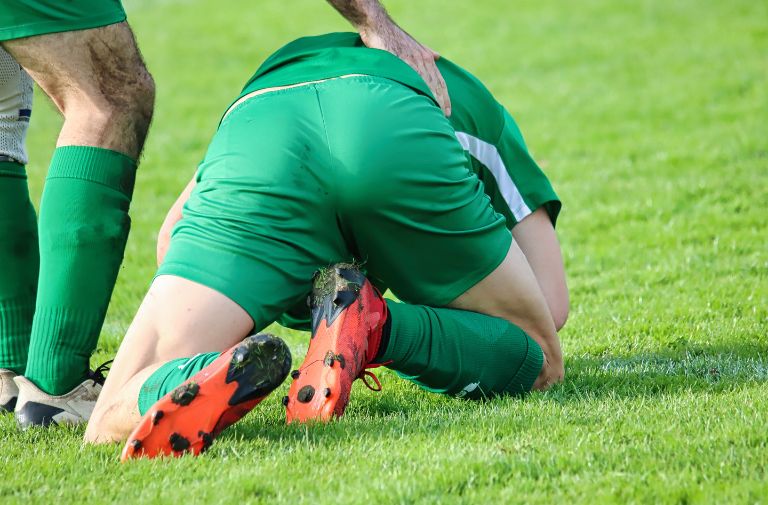
A broken bone heals. Soft tissue eventually repairs itself. But the effects of a serious injury don't stay contained to the body, and that's something most people aren't prepared for when the initial shock wears off.
The physical damage is what gets treated, documented, and billed for. Everything else—the emotional strain, the identity shifts, the relationship tensions—tends to go unacknowledged, often by the injured person most of all. If you ask a legal professional like a Brooklyn personal injury lawyer, they may describe it this way: the injury that shows up on an MRI is rarely the whole story of what someone is living with. That observation holds true regardless of where you live or what kind of accident brought you here.
The Emotional Weight Nobody Talks About
Pain changes people. That's not a weakness—it's a physiological fact.
Chronic or acute pain activates the same neural pathways involved in mood regulation. Prolonged physical discomfort elevates cortisol, disrupts sleep, and creates a baseline level of stress that colors everything else. People who were steady before an injury often find themselves irritable, anxious, or emotionally flat in the months that follow—not because something is wrong with them mentally, but because their body has been under sustained assault.
It is common to feel anxious about re-injury following accidents that involve a sudden impact, and likewise it is common to become hypervigilant in environments similar to where the injury took place, such as driving after a car accident or using the stairs after a fall. Such reactions are normal protective mechanisms, but if they are not dealt with, they can be restrictive.
What Happens to Identity and Independence
For many people, serious injuries disrupt not just their body but their sense of self.
Someone who was physically active, professionally ambitious, or a primary caregiver in their household may find themselves suddenly unable to perform the roles that had long defined them. That loss is real. It doesn't appear on any medical bill, but it shapes daily life in ways that extend long past the point of physical recovery.
It is especially difficult to cope with a loss of independence over time, since having to receive assistance with everyday activities—like getting dressed, preparing meals, and moving around the home safely—gradually erodes one's sense of self. Those who are in this situation usually do not report their difficulties because asking for help seems equivalent to admitting defeat.
The Strain on Relationships
Injury doesn't happen in isolation. Everyone connected to the injured person absorbs some portion of the impact.
Partners take on caregiving roles they didn't anticipate and weren't prepared for. Friends pull back, uncertain how to help or what to say. Children sense tension they can't fully understand. The injured person, meanwhile, often feels guilty about the burden they've become — which adds its own layer of emotional weight on top of everything else.
Intimacy often suffers as well. Since pain, fatigue, and emotional withdrawal are not good conditions for forming a close relationship, if the injury continues for a long time, then couples can end up with patterns of distance that survive the physical recovery.
Why These Losses Matter Legally
The effects are not merely personal; they can be compensated.
All of these—pain and suffering, a loss of enjoyment of life, and emotional distress—are acknowledged as types of damages in personal injury claims. The difficulty lies in the fact that they need to be documented and described. Contributions to creating a fuller picture than what a medical record shows include mental health records, testimony regarding daily limitations, and consistent personal statements.
Insurance companies rely on the idea that non-economic harm is more difficult to measure. Although this difficulty does not reduce the reality of such harm, it does mean that these losses must be actively sought out and recorded rather than simply being included passively in a claim.
Final Thoughts
A serious injury demands from a person more than just physical endurance; it puts relationships to the test, alters a person's sense of identity, and causes psychological strain that never resolves within the time frame prescribed by medicine. The first step in dealing with it properly is to recognize the full extent of this impact—both personally and legally.
The views, opinions, and recommendations expressed in this article are solely those of the author and are provided for informational and editorial purposes only. They do not constitute professional advice and should not be relied upon as such. OutSFL makes no representations or warranties regarding the accuracy, completeness, or applicability of the content and assumes no liability for any actions taken based on it. The views expressed do not necessarily reflect those of OutSFL.