

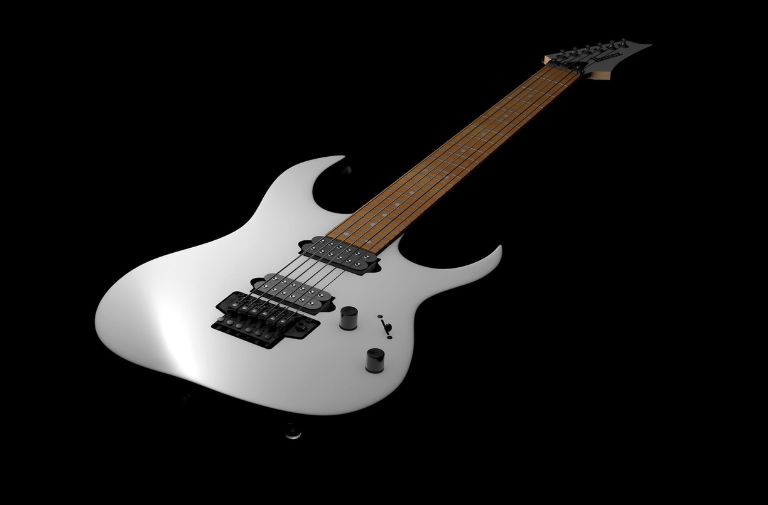
Vintage guitars carry more than age. They hold repair history, factory habits, player wear, and market pressure. That mix makes them attractive to forgers, especially in private sales where emotion can outrun inspection. A convincing copy may include aged parts, copied stamps, and confident paperwork. Collectors protect our money and instrument history by checking the whole story before accepting any single impressive detail.
Start With Provenance
Provenance should feel traceable, not theatrical. A seller’s account needs dates, ownership names, repair records, and photos that fit together without strain. Before payment, collectors can compare invoices, case contents, serial references, and service notes to spot fake guitars with steadier judgment. Thin records do not prove fraud, but gaps deserve patient questions and independent review.
Check Serial Numbers
Serial numbers are useful, but they are often overvalued. Forgers can copy a valid number from a genuine instrument. The better check includes font shape, stamp depth, location, spacing, and year logic. A number may appear correct while the body, finish, or neck tells another story. Any conflict between model features and production records needs a clear, documented explanation.
Study Logos
Headstock logos reveal many weak copies. Letter spacing, gold color, decal edge, angle, and lacquer depth should match the stated period. Older decals often age under finish in a particular way. Newer applications can sit too cleanly on the surface. Magnification helps show sanding lines, replaced clear coat, or uneven transfer edges. Small logo errors can point to larger construction concerns.
Inspect Finish Wear
Authentic wear follows hands, sweat, straps, cases, stands, and decades of movement. Artificial aging often looks arranged. Checking patterns should fit the finish type, wood, storage conditions, and playing history. Lacquer checking, arm wear, buckle rash, and edge chips should not all look identical. Heavy distress also needs agreement from frets, screws, plating, and pickup covers.
Review Hardware
Hardware carries a dated vocabulary. Tuners, bridges, saddles, knobs, pickup covers, screws, and strap buttons changed across production runs. Replaced parts can be acceptable, but each change affects value and evidence. New screw slots beside oxidized plates are worth questioning. Corrosion should progress naturally across related pieces, not appear only where a camera would notice it first.
Weigh The Body
Weight can expose incorrect wood, body swaps, or modern construction. A claimed model should sit near known ranges for routing style, timber, and hardware set. Unusual weight does not prove deception by itself. It does call for closer inspection. Body contours, cavity shapes, neck pocket marks, and control routes should match factory practice from the stated period.
Examine Neck Details
Necks are harder to fake well. Profile, fretboard radius, truss rod access, nut width, binding, inlays, and fret size all carry period clues. Forgers may perfect the decal while missing these physical details. Honest vintage necks show consistent aging across finish, frets, dots, and edges. Refrets are common, but major work should come with a believable service history.
Test Electronics
Electronics give practical dating evidence. Pot codes, capacitors, pickups, wiring cloth, solder joints, and shielding should align with the instrument’s timeline. Factory lag can explain some date spread. Fresh solder on parts described as untouched needs scrutiny. Clear cavity photos are essential before purchase. Pickup bobbins, magnets, lead wire, covers, and resistance readings should fit the claimed era.
Read Seller Behavior
Seller behavior can clarify risk quickly. Careful sellers answer direct questions, provide additional images, and allow qualified inspection. Pressure, vague replies, blocked review, or sudden price changes deserve caution. A private owner may lack technical knowledge, which is different from evasiveness. Return terms matter, especially for high-value guitars bought without hands-on examination.
Use Expert Review
Authentication takes experience across many instruments. Skilled dealers, luthiers, appraisers, and brand specialists notice factory habits that photographs can hide. A written opinion supports insurance, resale, and negotiation. Collectors should seek review before sending funds, not after doubt appears. Inspection fees are small beside the cost of a misrepresented vintage guitar, and expert input may confirm a rare original.
Conclusion
Counterfeit vintage guitars succeed when one exciting feature distracts from the wider evidence. Serial numbers, logos, wear, hardware, electronics, documents, and seller behavior should support the same conclusion. One weak clue may have an innocent cause. Several conflicts create meaningful risk. Collectors who slow the process, record each check, and involve qualified specialists improve the chance of buying with confidence.
The views, opinions, and recommendations expressed in this article are solely those of the author and are provided for informational and editorial purposes only. They do not constitute professional advice and should not be relied upon as such. OutSFL makes no representations or warranties regarding the accuracy, completeness, or applicability of the content and assumes no liability for any actions taken based on it. The views expressed do not necessarily reflect those of OutSFL.