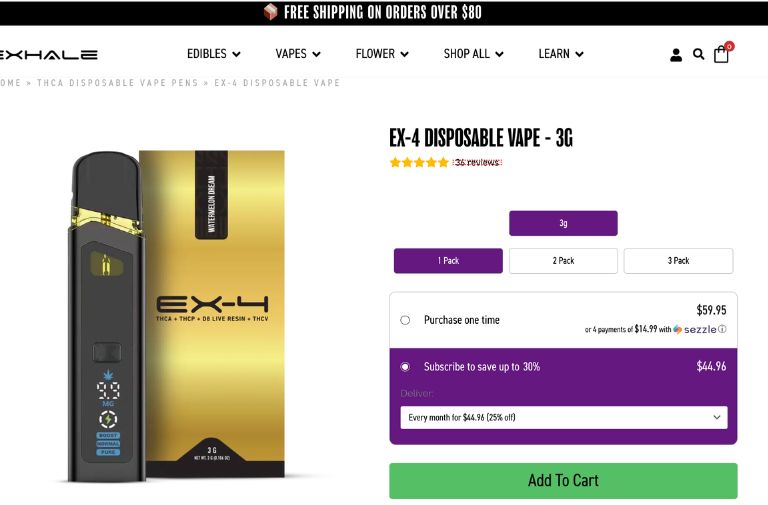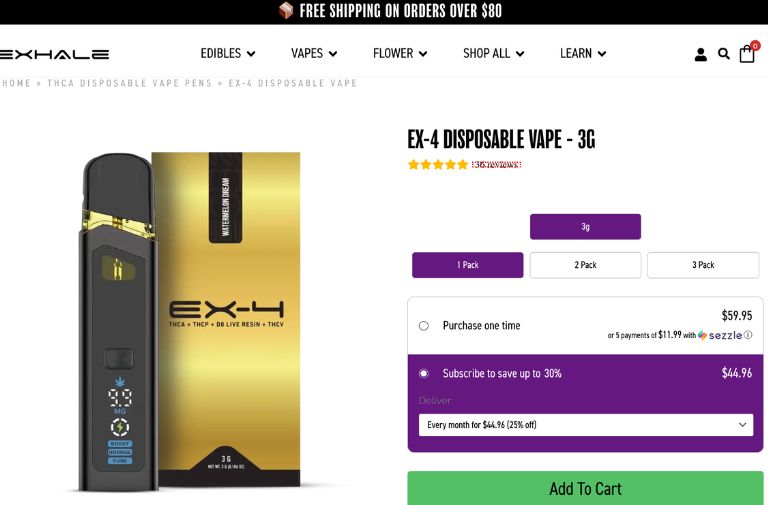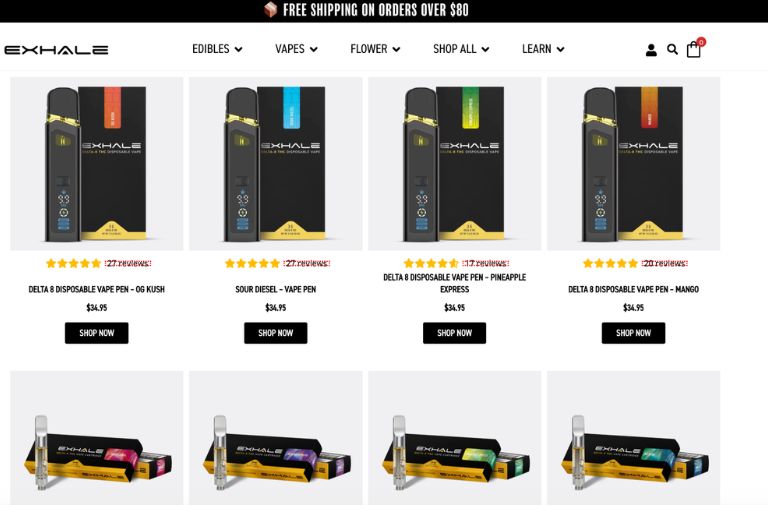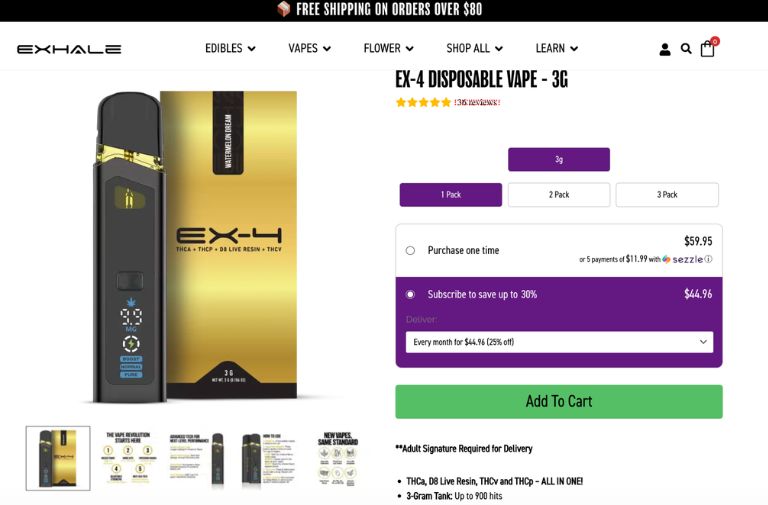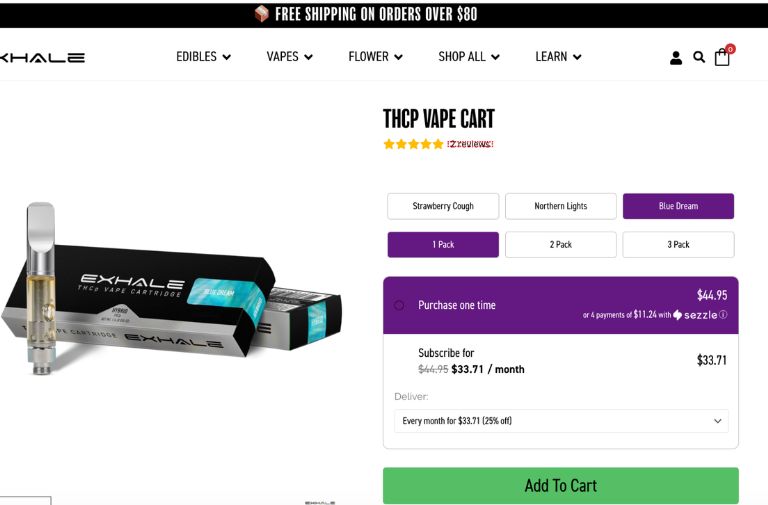
Yes, Delta 8 is legal in Florida right now. Walk into a smoke shop in Tampa today, show ID, and buy gummies. No medical card or doctor’s prescription is needed. In this article, we’ll discuss in depth what is legally allowed in Florida, what the state is actually cracking down on, and what Congress is about to do. Some of you might have seen the headlines saying delta-8 won’t be legal after November 11th, 2026. We have covered that legal story, too.