
Feminism seems like a natural partner to the LGBTQ community, especially the L. But it took a while for the two forces to join. The latest exhibit at Stonewall National Museum gives an insightful look at the bar that became a hub for activism.
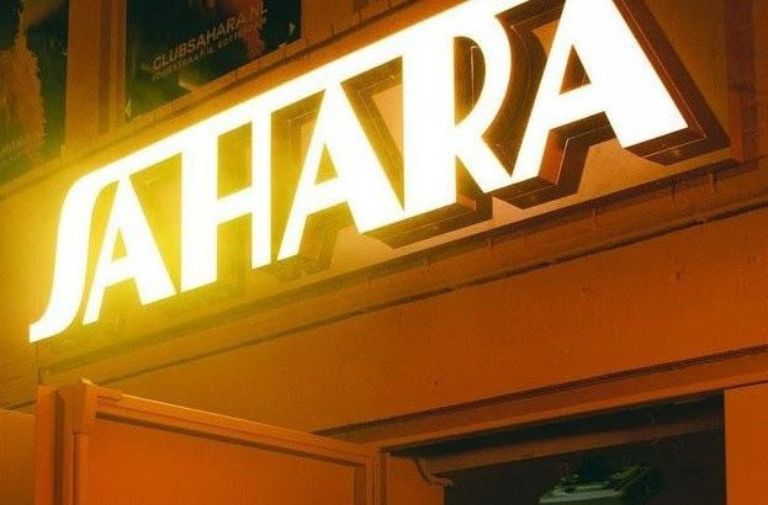
Titled Sahara: NYC’s Lesbian Legacy, the exhibit looks at the Sahara bar. It operated in Manhattan’s Upper East Side from 1976-1980. While its existence was brief, its impact continues.
“It was a unique space in that it married feminism and lesbianism,” Stonewall CEO Robert Kesten said. “The leaders of the feminist movement, who at one time were against the lesbian community being part of their movement came to the club and held political fundraisers. I wouldn’t say they embrace it, but they used it.”
Kesten says the Betty Friedans of the world were worried the alliance would hurt the feminist movement’s political standing while lesbians didn’t have the ability to move forward.
The exhibit shows Gloria Steinem with political leaders at the bar. Allies including Pat Benatar played the Sahara while Jane Fonda and Tom Hayden, her husband at the time, did political fundraising. Kesten says allies attracted allies, with original SNL cast members Gilda Radner and Jane Curtin showing up, followed by Warren Beatty.
One floor was a lounge and stage while a disco went upstairs. Kesten says the founders were all women in their 20s.
“They were young, inexperienced, and because of New York state law they had to get a man to cosign their liquor license.”
The women also ran the Sahara without involvement of the mob. While that made them unique, it also contributed to the brevity of their existence. Kesten says the club, like many from that era, brought in a lot of cash that may have been underreported. The IRS eventually came in to have a look.
“Unlike the clubs that were controlled by the mob, they weren’t necessarily paying the right people off.”
Their run may have been short, but, as Kesten says, it was glorious. “For four years they were on top of the world.”
Sahara: NYC’s Lesbian Legacy runs through April 5.
OutSFL’s Gregg Shapiro interviewed one of the founders and republished the interview for this exhibit.