
Every autumn, Indian television fills with festive programming as Diwali approaches. Diwali, which falls on November 8 this year, is when Indian broadcasters save their biggest premieres, their glossiest specials and their most talked-about plot twists, much the way American networks build their year around one Sunday in February.
A holiday made for the living room
Diwali has always been a social holiday. Relatives visit, boxes of sweets change hands, and the evening usually ends with the family crowded around whatever is playing. Television slotted itself into that ritual decades ago, and the habit traveled with the diaspora. Following Indian TV channels in USA time zones takes a little planning, since an 8 p.m. festival special in Mumbai airs at 9:30 in the morning in New York. Plenty of families keep the TV on all evening anyway, the way an American household leaves the game on during a holiday party.
It starts at the box office
The pattern began in cinemas. For decades, Bollywood producers have treated Diwali weekend as a prime release slot, a tradition that runs back through hits like Dilwale Dulhania Le Jayenge in 1995. Offices and schools close, the mood is celebratory, and trade analysts quoted by Entrepreneur India estimate that Diwali releases outperform ordinary weekends by 30 to 50 percent at the box office.
Television runs on the same logic. Festival weeks are when channels like to schedule the TV premieres of recent films and big award shows, because a rested, cheerful audience is the easiest one to keep in front of a screen. The holiday works for Indian broadcasters the way the Super Bowl works for American advertisers. It gathers people who rarely watch the same thing at the same time.
Every culture has its own Super Bowl
The comparison goes well beyond India. In the US, the Super Bowl is the closest thing to a shared national viewing night, and this February's halftime show drew 128.2 million viewers, according to Nielsen. In China, the Spring Festival Gala on the eve of the Lunar New Year holds a Guinness World Record after reaching nearly 499 million viewers in 2012. In Britain, Christmas Day television has been a ratings battleground for generations, with broadcasters holding back their most anticipated specials for that afternoon.
What these nights share is a simple pattern. A holiday clears the calendar, the family gathers in one room, and television becomes the soundtrack of the celebration. The programming matters less than the company. People tend to remember who they watched with long after they forget what was on.
Why appointment TV still wins on holidays
It is easy to assume that on-demand viewing killed appointment television. Holiday nights suggest otherwise. When the point is to be together, a fixed broadcast still beats a personal queue, because everyone in the room reacts to the same moment at the same time. Nobody has to ask what episode anyone else is on.
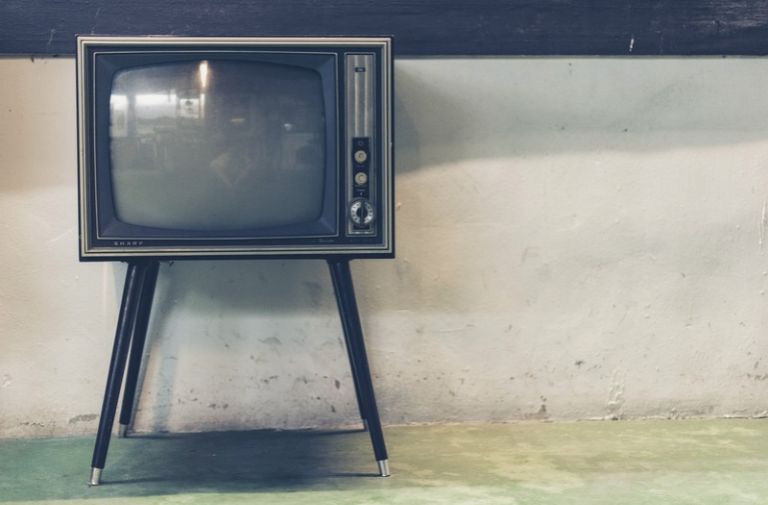
Diwali shows how strong that pull remains, even for families living thousands of miles from where the festival began. The lamps go up, the sweets come out, and somewhere in the house the TV is on. For a lot of viewers, that glow on the screen is part of what makes the night feel like the holiday, and it is a safe bet that broadcasters will keep saving their best for it.
The views, opinions, and recommendations expressed in this article are solely those of the author and are provided for informational and editorial purposes only. They do not constitute professional advice and should not be relied upon as such. OutSFL makes no representations or warranties regarding the accuracy, completeness, or applicability of the content and assumes no liability for any actions taken based on it. The views expressed do not necessarily reflect those of OutSFL.