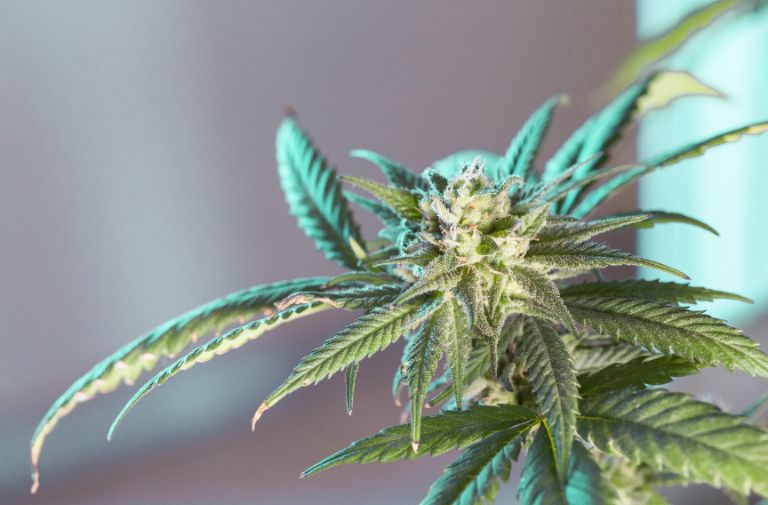
Is THCA legal in 2026, and can you still buy it? Right now, yes. Raw THCA is federally legal to purchase in the U.S. because hemp is legal when its Delta-9 THC stays under the federal dry-weight limit, and raw THCA is not Delta-9.
A federal law, effective November 12, 2026, changes how the limit is measured, and several states already restrict THCA. Below is the federal rule, the state map, the shipping and Amazon questions, and exactly what flips for buyers next year.
Is THCA Legal? The Short Answer
Yes, buying raw THCA is legal at the federal level today. The 2018 Farm Bill caps Delta-9 THC, not total THC, so high-THCA hemp still passes. This legal window is now closing fast.
- Federal, right now: legal, because raw THCA is not Delta-9 THC and stays under the 0.3% Delta-9 limit.
- Federal, from Nov 12, 2026: a new total THC standard folds THCA into the math, which reclassifies the legality of high-THCA products.
- Your state: some states ban or restrict THCA no matter what federal law says, so local rules can override the federal green light.
Keep those three layers in mind. A product can be fully compliant with federal law and still be illegal where you happen to live.
Why THCA Is Federally Legal: The Decarboxylation Loophole
THCA remains federally legal because of a gap in how the law sets its limits. The 2018 Farm Bill measures only Delta-9 THC, and raw THCA is a separate, non-intoxicating compound. So hemp flower can be rich in THCA and still test under the federal Delta-9 limit.
Critics call this the decarboxylation loophole, since heat is the only thing standing between compliant THCA and an intoxicating, illegal cannabis.
THCA Is Not Delta-9 THC (Until It's Heated)
Raw THCA is the acidic form of delta-9, and on its own it will not get you high. The law draws its line at Delta-9 THC by dry weight. Because lab tests read the raw Delta-9 number, high-THCA flower can pass as legal hemp.
So the entire basis for selling THCA as hemp comes down to its raw state. The plant carries plenty of THCA but very little actual Delta-9 before any heat touches it. On paper, the flower is fully compliant with the federal limit.
What Happens When You Heat THCA (Decarb to THC)
Heat rewrites the whole picture. When you smoke, vape, or bake THCA, a reaction called decarboxylation converts it into Delta-9 THC, the compound that produces the high. The same conversion happens with any cannabis flower you light.
The loophole is really a matter of timing. A THCA product counts as legal in its raw, unheated form, yet it becomes intoxicating THC the moment you use it as intended. This built-in contradiction is why regulators keep singling out THCA, and why the federal rule is about to shift.
The 2018 Farm Bill and THCA: How the 0.3% Rule Works
The 2018 Farm Bill is the single reason THCA reached the mass market. It legalized hemp and defined it as cannabis with no more than 0.3% Delta-9 THC on a dry weight basis. Anything above that line is marijuana, and anything at or below it is hemp, which is legal to grow and sell.
The load-bearing phrase is "Delta-9 THC," not "total THC." That wording is what lets a THCA-rich flower qualify as hemp, since its raw Delta-9 content stays tiny even when THCA runs high. Potency is judged by the dry weight of the raw material, not by what the product becomes after heat.
The 2018 Farm Bill THCA allowance rests entirely on this narrow wording. Reputable sellers rely on it and publish third-party lab results demonstrating that each batch stays under the 0.3% Delta-9 threshold. You can read the compliance framework and testing rules on the USDA hemp program pages, which spell out how labs verify a legal crop.
There is a catch that trips up many buyers. Passing the federal test does not make a product legal everywhere, because states can and do set stricter rules on top of the Farm Bill. So the same flower can be legal hemp in one state and banned marijuana across the border.
Is THCA Legal in All 50 States? A State-by-State Guide
Not entirely. THCA is federally legal today, but each state writes its own hemp rules, and a fast-growing group now restricts or bans it through total-THC testing or smokable-hemp limits.
State law also moves quickly here, so treat any list, including this one, as a starting point to verify rather than a final ruling. Published guides openly disagree on which states are banned, which alone tells you how fluid the map has become.
|
State |
THCA status (mid-2026) |
Why |
|---|---|---|
|
Idaho |
Restricted / effectively banned |
Zero-tolerance approach to THC |
|
Tennessee |
Restricted / moving to ban |
Shift toward total-THC limits |
|
Texas |
In flux / contested |
Ongoing fight over hemp THC rules |
|
Kansas, South Dakota |
Restricted |
Intoxicating-hemp limits |
|
Oregon, Colorado, Utah |
Restricted |
Total-THC testing or smokable-hemp limits |
States Where THCA Is Restricted or Banned
Several states have already closed the door on THCA flower. Idaho takes a strict zero-tolerance line on THC, and Tennessee has moved toward total-THC limits that sweep THCA in. Kansas and South Dakota restrict intoxicating hemp in ways that catch THCA products too.
Texas is the loudest current battleground. Lawmakers there have pushed hard to limit hemp-derived THC, and the rules have swung back and forth for over a year. If you live in a restricted state, assume that both purchase and shipping may be blocked at checkout.
States Where THCA Is Legal
Across much of the country, the THCA legal states still follow the federal Farm Bill standard. Where a state defines hemp by the 0.3% Delta-9 rule and has not banned smokable hemp, THCA flower and products generally remain available to adults. This covers a clear majority of states in 2026.
A single legislative session can flip a Farm-Bill-aligned state to a total-THC state in a matter of weeks. So today's THCA legal states are not guaranteed to stay that way through next year.
How to Check If THCA Is Legal in Your State
The safest move is to confirm your state's current law before you buy, because published guides disagree and quickly go stale. A quick check against a tracker like NORML's state laws hub beats trusting a roundup that may be months out of date. Your state's own statute is still the source that counts.
Run these three steps:
- Search your state's most recent hemp or cannabis statute, not a blog list.
- Look for the phrases "total THC" or "smokable hemp," the two clearest signals of a restriction.
- Confirm that the retailer ships to your address at checkout, since compliant sellers automatically block restricted states.
The THCA Ban Update: How the November 12, 2026 Total-THC Law Changes Everything
The biggest THCA ban update is already signed into law and takes effect on November 12, 2026. Section 781 of Public Law 119-37 rewrites the federal definition of hemp so it gets judged by total THC instead of Delta-9 alone. This new rule counts THCA directly.
Here is what changes on that date:
- New measurement: total THC combines Delta-9 with the THCA that heat would convert, using the standard formula of Delta-9 plus 0.877 times THCA.
- Product cap: finished hemp products for ingestion, inhalation, or topical use are limited to 0.4 milligrams of total THC per container.
- The impact: because the total THC formula counts THCA, strong THCA flower and potent hemp products get reclassified out of legal hemp.
President Trump signed the measure on November 12, 2025, leaving a one-year runway before it applies. A total THC standard erases the raw-versus-heated distinction that keeps THCA legal today. So the compliance math that works this year simply stops working next November.
Repeal-and-delay bills may surface before the deadline, and a future farm bill could revisit the numbers. For now, plan around the current date. You can read the enacted change in the federal hemp law text and its official summaries.
What does this mean in practice for a shopper? High-THCA flower and strong pre-rolls are the products most exposed, since their whole appeal is a high THCA number. Low-dose items that already fit the 0.4 milligram total THC cap have a better chance of surviving the switch.
Can You Buy THCA Online and Ship It?
Is THCA legal to ship? You can buy THCA online and have it delivered today, but only to states where it is legal, and only from sellers who screen destinations. Compliant retailers block restricted states at checkout, so the shipping question often answers itself once you enter your address.
The harder issue is quality, not access. Because THCA sits in a legal gray zone, lab testing is your only real protection as a buyer. Buy products that arrive with a batch-specific Certificate of Analysis (COA) showing the Delta-9 and THCA numbers for the exact lot you receive.
A licensed hemp retailer such as publishes batch COAs for its THCA flower and confirms Farm Bill compliance, which is the bar to look for. If a site cannot show you a current COA for the batch, treat that as your cue to walk away.
Keep two records when you order. Save the COA and the receipt, since both help if a shipment is ever questioned. Ordering from a brand like Exhale Wellness that ties each product to a public lab report makes that paper trail simple.
Can You Buy THCA on Amazon?
Is THCA legal on Amazon? No, you cannot buy it there. Amazon bans any product that contains THC or produces a psychoactive effect, and THCA converts to Delta-9 THC when heated, so it lands squarely under that banned-products policy on the marketplace.
Listings that appear to offer THCA are usually mislabeled, non-compliant, or ordinary hemp with no real THCA content. Buying one is a gamble on both quality and legality. For genuine, lab-tested THCA, order from a licensed hemp retailer that publishes COAs and screens shipping states.
Does THCA Get You High?
Does THCA get you high? Raw THCA on its own does not, but heated THCA absolutely does. In its unheated, acidic form it stays non-intoxicating, which is the whole legal argument for selling it as hemp rather than as marijuana.
Apply heat and the picture flips. Smoking, vaping, or cooking THCA triggers decarboxylation, converting it into Delta-9 THC and producing a high that feels like standard cannabis.
So legality and intoxication sit on two sides of one coin. Sellers market THCA as legal because it is raw, yet buyers reach for it precisely because heat turns it intoxicating. That is the exact tension the new federal rule is built to close.
The strength of that high depends on the flower and how much converts. Potent THCA flower can feel every bit as strong as regulated cannabis, so dosing caution applies just as much here.
THCA Side Effects and Safety
What are the THCA side effects worth knowing? Because heated THCA becomes THC, its effects mirror those of Delta-9 THC once you use it. Raw THCA that is never heated is considered low-risk, but almost nobody consumes it that way, so treat any smokable or vapable product as intoxicating.
The most common THCA side effects after heating include:
- Dry mouth and dry, red eyes
- Anxiety or paranoia at higher doses
- Impaired coordination, memory, and reaction time
- A positive result on a THC drug test
A few safety basics matter. Start low and go slow with unfamiliar strains or potent flower, and never drive or operate machinery after use.
Some people should skip THCA entirely. Anyone who is pregnant or breastfeeding, has a history of psychosis, or faces routine drug testing should avoid it.
Effects also last longer than many first-time users expect. Give any dose a couple of hours before adding more, and keep it out of reach of children and pets. Store it in a sealed, labeled container so nobody mistakes it for regular food.
Frequently Asked Questions
Is THCA federally legal?
Yes, THCA is federally legal in 2026 under the 2018 Farm Bill, because the law limits Delta-9 THC and raw THCA is not Delta-9. High-THCA hemp passes the federal Delta-9 test in its raw form. That federal status changes on November 12, 2026, when a total THC standard takes over and folds THCA into the limit.
Will THCA be illegal after November 12, 2026?
The strongest THCA products will effectively become illegal at the federal level after that date. Under the new total-THC definition, existing stock does not get a permanent pass, so retailers will likely clear or reformulate inventory ahead of the deadline. Unless Congress repeals or delays the rule, potent THCA flower loses its legal hemp status while low-dose compliant items may continue.
Can you fly with or ship THCA?
Shipping is allowed to states where THCA is legal, and compliant sellers block restricted destinations at checkout automatically. Flying is riskier, because airline and airport rules vary and screening can escalate to local police whose state may ban it. Carrying it across a state line into a banned state adds real legal exposure, even if you bought the product lawfully at home.
Will THCA show up on a drug test?
Yes, once THCA is heated and converts to THC, it can trigger a positive drug test. Standard tests screen for THC metabolites, and your body does not distinguish THCA-derived THC from any other source. If you face testing at work or on probation, skip THCA products well in advance.
The Bottom Line
THCA is legal to buy federally in 2026 thanks to the federal Delta-9 rule and the raw-versus-heated distinction, but that footing is temporary and uneven. Your state may already restrict it, and the November 12, 2026 total-THC law is set to reclassify most high-THCA products.
Before you buy, confirm your state's current rules, choose lab-tested flower with a batch COA, and mark the November deadline on your calendar. Doing those three things keeps you on the right side of a law that is actively moving.
Disclaimer
This THCA legality guide is for informational purposes only and is not legal advice. Cannabis and hemp laws vary by state and keep changing, including the federal rule that takes effect on November 12, 2026. Always confirm current local law before you buy.
The views, opinions, and recommendations expressed in this article are solely those of the author and are provided for informational and editorial purposes only. They do not constitute professional advice and should not be relied upon as such. OutSFL makes no representations or warranties regarding the accuracy, completeness, or applicability of the content and assumes no liability for any actions taken based on it. The views expressed do not necessarily reflect those of OutSFL.