

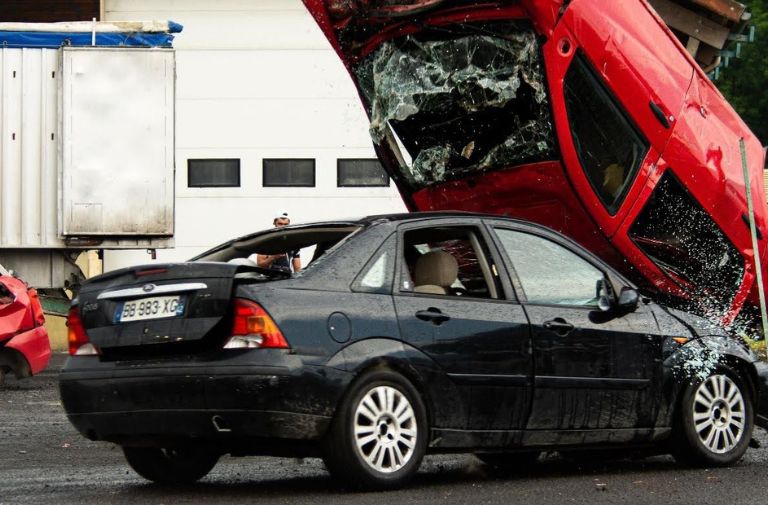
Seeing a car accident, your first priority should be to stay safe, call emergency services, and avoid putting yourself in danger. Quick and responsible actions can help injured people receive assistance faster and prevent the situation from becoming worse.
Traffic accidents can happen anywhere, from busy highways to quiet neighborhood streets. Knowing what to do if you witness a car accident helps you respond calmly, provide useful information, and support emergency responders without interfering with their work.
While many people want to help immediately, acting without a plan can create additional risks. Understanding the right steps to take can protect everyone involved and ensure the accident scene is handled properly.
Ensure Your Own Safety First
Before assisting anyone, make sure you are not putting yourself in danger. Pull over only if it is safe to do so and activate your hazard lights to alert other drivers.
Avoid stopping in active traffic lanes or standing near moving vehicles. Secondary collisions are common at accident scenes, especially on busy roads and highways.
If conditions are unsafe due to heavy traffic, fire, or hazardous materials, remain at a safe distance and wait for emergency responders to arrive.
Call Emergency Services Immediately
One of the most important steps is contacting 911 as soon as possible. Even if someone else appears to be calling, multiple reports can help dispatchers better understand the severity of the situation.
According to the National Highway Traffic Safety Administration (NHTSA), prompt reporting of crashes helps emergency responders assess incidents more effectively and improve response coordination. Provide clear details about the exact location, the number of vehicles involved, visible injuries, and any road hazards. Staying calm and giving accurate information can help responders arrive prepared.
Check on Injured Individuals Carefully
Once emergency services have been contacted, check whether anyone appears injured if it is safe to approach. Speak calmly and reassure them that help is on the way.
The American Red Cross advises against moving injured individuals unless they are facing an immediate danger. Moving someone with a neck, back, or head injury can worsen their condition. Instead, focus on keeping them comfortable until trained medical personnel arrive.
Gather Helpful Information for Authorities
If police officers respond to the scene, witness accounts can be valuable. Independent observations often help investigators understand how the accident occurred.
Take note of important details such as the following:
- Vehicle descriptions
- License plate numbers
- Direction of travel
- Traffic signal conditions
- Weather and road conditions
Avoid interfering with emergency responders while gathering information. Your role is to observe and provide facts, not conduct an investigation.
Avoid Discussing Fault or Speculating
It may be tempting to offer an opinion about what happened, but it is important to stick to facts. Accidents are often more complicated than they appear at first glance.
Share only what you personally saw and heard. Avoid guessing about speeds, distractions, or who was responsible for the crash.
Objective witness statements are often more useful than assumptions. Providing accurate information helps authorities and insurance companies evaluate the situation fairly.
Remain Available if Needed
Police officers may ask for your contact information or a witness statement. Remaining available can help if additional questions arise later.
If you leave before speaking with law enforcement, consider contacting the investigating agency afterward if you have important information. A reliable witness account can help clarify conflicting reports and support a fair outcome.
Key Takeaways
- Stay safe and avoid putting yourself in danger at the accident scene.
- Call 911 immediately and provide accurate information about the crash.
- Check on injured individuals only if it is safe to approach them.
- Avoid moving injured people unless there is an immediate threat to their safety.
- Gather useful information such as witness details, vehicle descriptions, and photos.
- Do not speculate about fault or discuss blame with those involved.
- Cooperate with law enforcement if they request a witness statement.
The views, opinions, and recommendations expressed in this article are solely those of the author and are provided for informational and editorial purposes only. They do not constitute professional advice and should not be relied upon as such. OutSFL makes no representations or warranties regarding the accuracy, completeness, or applicability of the content and assumes no liability for any actions taken based on it. The views expressed do not necessarily reflect those of OutSFL.