

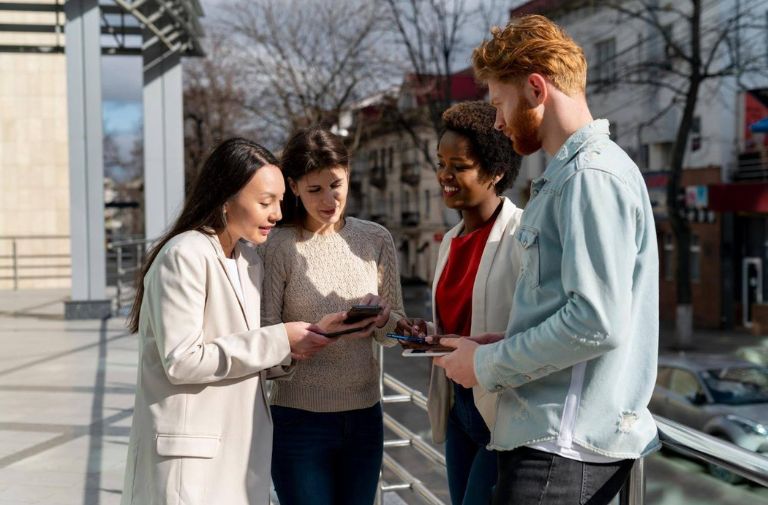
For all its advantages, the digital age has quietly reshaped how people spend time together. Communication is faster, access to entertainment is constant, and social interaction can happen without physical presence. Yet, beneath that convenience, something more subtle has shifted. Many interactions have become fragmented, stretched across devices, and often lacking the depth that once came naturally through shared, in-person experiences.
In response, a quiet counter-movement is emerging. Across cities and communities, people are rediscovering the value of simple social rituals, activities that bring individuals into the same space, focused on a shared experience. These rituals are not new. In fact, their strength lies in how familiar they are. What’s new is the renewed appreciation for what they offer.
The Hidden Cost of Constant Connectivity
Digital platforms have redefined accessibility. Conversations can happen instantly, and entertainment is always within reach. But this constant availability also changes how attention is distributed. Instead of fully engaging with one activity or group, attention is often divided across multiple streams.
This doesn’t mean connection has disappeared, but it has evolved into something lighter, more intermittent. Messages replace conversations, scrolling replaces interaction, and shared time is often reduced to passive co-existence.
Over time, this creates a sense of saturation. People remain connected, but not always engaged. And it’s within this gap that social rituals begin to regain their importance.
Why Rituals Matter More Now
Social rituals, whether weekly dinners, casual game nights, or recurring gatherings, offer something that digital interaction rarely replicates: continuity and presence. They provide a structure that people can return to, creating rhythm within otherwise unpredictable schedules.
More importantly, rituals remove the pressure of constant novelty. In a culture that emphasizes new experiences, there is something grounding about repeating a familiar activity with familiar people. The value doesn’t come from variation, but from consistency.
This is particularly relevant in modern urban environments, where schedules are often busy and social time needs to be intentional. A simple, recurring activity becomes more than entertainment, it becomes a point of connection.
The Return of Shared, Structured Play
Among the most accessible forms of social ritual is structured play. Board games, card games, and other interactive activities are reappearing in homes and small gatherings, not as a nostalgic trend, but as a practical response to modern habits.
These activities offer a unique balance. They are simple enough to start quickly, yet engaging enough to sustain attention. They encourage conversation without forcing it and create interaction without requiring constant effort.
One of the small but real barriers to these experiences is uncertainty. Many people remember enjoying these games but are unsure of the rules or how to reintroduce them into social settings without hesitation. This is where digital tools can play a supportive role without dominating the experience. Platforms like playiro.com provide clear, accessible guides that make it easy to revisit traditional games. By removing the friction of preparation, they allow people to focus on what actually matters, the interaction itself.
Shared Attention as a Social Anchor
One of the defining features of these rituals is shared attention. Unlike digital environments, where individuals often engage separately even when together, structured activities bring everyone into a single focal point.
This creates a different kind of dynamic. Conversations emerge naturally, reactions are immediate, and the experience unfolds collectively. It’s not just about spending time together, it’s about participating in the same moment.
According to the American Psychological Association, shared social experiences and face-to-face interaction are closely linked to improved emotional well-being and reduced stress levels. Activities that involve collaboration, light competition, or collective focus tend to strengthen interpersonal bonds more effectively than passive engagement.
In practical terms, this means that even simple rituals, like a weekly game night, can have a lasting impact on how people feel and connect over time.
Simplicity as a Form of Modern Luxury
There is also a broader cultural shift at play. As daily life becomes more complex, simplicity is increasingly valued. Time without interruption, activities without hidden layers of complexity, and experiences that feel complete are becoming more desirable.
Social rituals fit naturally into this mindset. They don’t demand constant input or attention beyond the moment. They exist within clear boundaries, allowing people to step out of the continuous flow of digital activity.
This makes them particularly appealing in environments where mental space is limited. Instead of adding another layer of stimulation, they provide a sense of clarity.
Blending Digital Access with Physical Experience
The return of social rituals does not mean rejecting technology entirely. Instead, it reflects a more balanced approach to its use. Digital tools are still valuable for discovery, coordination, and learning. But the experience itself is shifting back into physical spaces.
This balance is important. It allows people to benefit from the efficiency of digital platforms without losing the depth of in-person interaction. The role of technology becomes supportive rather than central.
In this context, resources like playiro.com are not competing with analog experiences, they are enabling them. By making information accessible and easy to use, they reduce hesitation and help reintroduce activities that might otherwise be overlooked.
A Shift That Feels Sustainable
What makes this return to social rituals significant is its sustainability. Unlike trends driven by novelty, these practices are rooted in fundamental human needs: connection, interaction, and shared experience.
They do not require constant reinvention. Once established, they tend to persist, becoming part of regular routines. Over time, they shape relationships, create traditions, and strengthen communities in ways that more transient forms of interaction cannot.
As the pace of modern life continues to accelerate, the value of slowing down, even briefly, becomes more apparent. Social rituals offer a way to do that without stepping away from everyday responsibilities. They fit into existing routines while enhancing them.
In a hyperconnected world, the most meaningful connections are often the ones that happen offline, in real time, without distraction. They don’t rely on speed or scale. They rely on presence. And in many cases, all it takes to create them is a simple activity, a shared space, and a willingness to engage.
The views, opinions, and recommendations expressed in this article are solely those of the author and are provided for informational and editorial purposes only. They do not constitute professional advice and should not be relied upon as such. OutSFL makes no representations or warranties regarding the accuracy, completeness, or applicability of the content and assumes no liability for any actions taken based on it. The views expressed do not necessarily reflect those of OutSFL.