Anxiety and depression are reaching levels we’ve never seen across every age group, culture, and community.
Children are overwhelmed. Adults are stretched thin. Seniors feel forgotten. The pressures are universal - financial strain, relationship conflict, work demands, caregiving, and the constant fight to meet basic human needs. And yet, even as we struggle with the same emotional burdens, we continue to fracture into smaller and smaller groups, each convinced that the “other” is the problem.
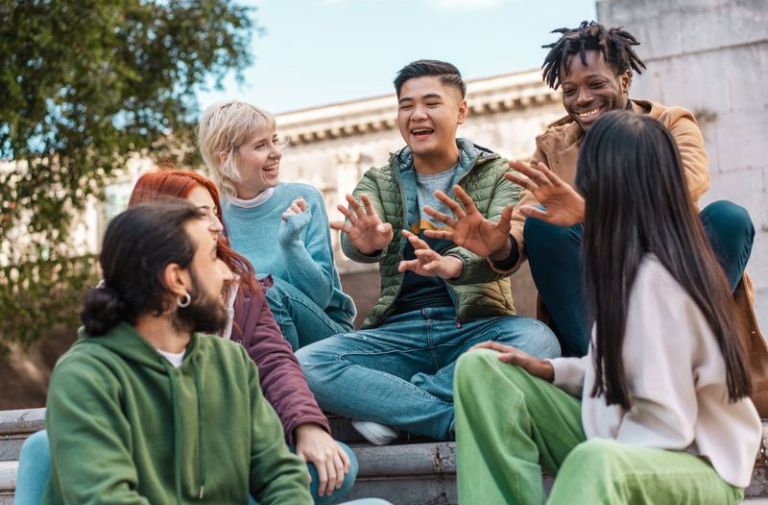
Look at the LGBTQIA+ community, Black and Brown communities, White communities - so many subgroups, each with their own histories, traumas, and triumphs. Yet even within these groups, there is in-fighting, gatekeeping, and a painful lack of acceptance. What separates us? Our differences. What divides us? Our differences. And ironically, these are the same things that make us special, interesting, and uniquely human.
The Paradox of Difference
We celebrate diversity in nature without hesitation. A bouquet of flowers is beautiful because of its variety; different colors, shapes, sizes, textures, and scents. No one looks at a flower arrangement and says, “Only roses belong here,” or “The lilies don’t fit.” We admire the contrast. We appreciate the harmony created by difference.
But when it comes to people, we struggle. We judge. We exclude. We fear what we don’t understand. We cling to our political beliefs, our religious identities, our cultural norms, and our personal values as if they are shields protecting us from the unfamiliar. Instead of seeing difference as a source of richness, we treat it as a threat.
Yet history shows us that the people who “beat to a different drum” are often the ones who move humanity forward. Think of:
- Alan Turing, whose unconventional thinking laid the foundation for modern computing.
- Frida Kahlo, whose art—rooted in pain, identity, and defiance—reshaped how we understand self-expression.
- Bayard Rustin, a gay Black civil rights strategist whose behind-the-scenes brilliance helped shape the March on Washington.
- Temple Grandin, whose neurodivergent perspective revolutionized animal science and expanded our understanding of autism.
- Nina Simone, whose fusion of music and activism created a soundtrack for justice that still resonates today.
These individuals didn’t fit neatly into society’s expectations. They didn’t blend in. They didn’t conform. And thank goodness they didn’t, because the world is better for it.
Why We Struggle to Accept Each Other
At the core, humans crave belonging. We want to feel safe, understood, and valued. When someone’s beliefs or identity challenges our worldview, it can feel destabilizing. Instead of leaning into curiosity, we retreat into defensiveness.
But here’s the truth: Difference is not danger. Difference is data. It teaches us. It expands us. It stretches our understanding of what it means to be human.
When we reject people who are different, we shrink our world. When we embrace them, we expand it.
The Cost of Kindness
What would it take to be a better human? Surprisingly little.
Kindness is one of the few things in life that costs nothing but changes everything. A smile. A moment of patience. A willingness to listen. A choice to assume good intentions. A pause before reacting. A gentle word instead of a harsh one.
Kindness toward someone different from you doesn’t require agreement. It doesn’t require shared beliefs. It doesn’t require you to abandon your values. It simply requires humanity.
And here’s the beautiful paradox: When you make room in your heart for someone with less, you end up with more. More compassion. More perspective. More emotional resilience. More peace.
Learning From Each Other
Every person you meet knows something you don’t. They’ve lived a life you haven’t. They’ve survived things you’ve never faced. They’ve celebrated joys you’ve never experienced. When you allow yourself to learn from someone who values different things, you expand your understanding of the world.
A conservative can learn from a progressive. A Christian can learn from a Muslim. A cisgender person can learn from a transgender person. A wealthy person can learn from someone who has struggled. A young person can learn from an elder—and vice versa.
This isn’t about changing your beliefs. It’s about broadening your humanity.
Tolerance as a Path to Lower Stress
We often think of tolerance as something we give to others, but it’s also a gift we give ourselves. When we become more tolerant, we become less reactive. Less threatened. Less rigid. Less stressed.
Intolerance is exhausting. It requires constant vigilance—always scanning for what’s wrong, who’s wrong, and why they’re wrong.
Tolerance, on the other hand, is liberating. It allows us to move through the world with more ease, more openness, and more peace.
What Being a Better Human Looks Like
Being a better human isn’t about perfection. It’s about intention. It’s about choosing, moment by moment, to show up with compassion instead of judgment, curiosity instead of fear, and connection instead of division.
Here are a few ways to start:
- Listen without preparing your rebuttal.
- Assume good intentions before assuming harm.
- Speak to others the way you want to be spoken to.
- Give grace—everyone is fighting a battle you can’t see.
- Challenge your own biases with honesty, not shame.
- Celebrate someone else’s joy, even when life is hard for you.
- Offer help without expecting anything in return.
- Let people be different without needing them to be wrong.
Your Challenge Today
So how can you be a better human today?
Start small. Choose one person, someone different from you in some way, and extend kindness. Offer a compliment. Ask a question. Hold space. Share a moment. Let them know they matter.
Because the truth is simple: The world doesn’t change when “people” become better. It changes when you do.
And every act of kindness, every moment of understanding, every step toward compassion plants a seed. Some seeds take root immediately. Others take years. But all of them matter.
Challenge yourself today. Embrace someone else. Be the reason the world feels a little less divided and a little more human.
Kim Saiswick, RN, LMHC
Advocating for dignity, equity, and well-being for all.