

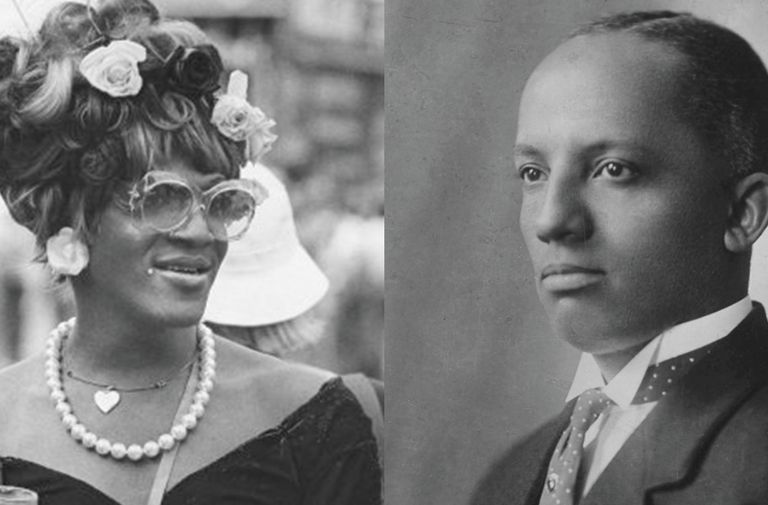
Every February, the United States observes Black History Month, a national recognition of the achievements, resilience, and transformative contributions of Black Americans. More than a ceremonial observance, it serves as both a celebration and a correction — ensuring that Black history is recognized as essential American history, not a footnote to it.
Black History Month traces back to 1926, when historian and scholar Carter G. Woodson — often called the “Father of Black History” — launched Negro History Week through the Association for the Study of Negro Life and History. Woodson believed that Black contributions were being systematically overlooked in textbooks, media, and public memory. He selected the second week of February to coincide with the birthdays of Abraham Lincoln and Frederick Douglass, figures already recognized for their roles in Black liberation. Over time, Negro History Week expanded in scope and support, and in 1976 it officially became Black History Month, recognized by the U.S. government during the nation’s bicentennial.
Black history is inseparable from LGBTQ history. Some of the most influential voices for justice, equality, culture, and liberation have been Black LGBTQ leaders whose impact reshaped civil rights and queer rights simultaneously.
Bayard Rustin was a master strategist of the Civil Rights Movement and the chief organizer of the 1963 March on Washington. An openly gay man in an era of deep prejudice, Rustin worked behind the scenes to shape nonviolent protest strategy alongside Dr. Martin Luther King Jr., proving that leadership is not always the loudest voice, but often the most effective mind.
Writer and activist Audre Lorde gave language to intersectionality before the term was widely used. A Black lesbian poet and feminist, she challenged racism, sexism, and homophobia through essays and poetry that continue to shape social justice movements today.
Marsha P. Johnson, a Black transgender activist, was central to the uprising at Stonewall and later co-founded organizations supporting unhoused LGBTQ youth. Her courage helped ignite the modern LGBTQ rights movement.
Black History Month matters because it reminds us that progress is built by those who often had to fight to be seen at all. Honoring Black LGBTQ pioneers ensures that the full truth of both movements — civil rights and queer liberation — is preserved, respected, and carried forward.
Bobby Blair is an LGBTQ media pioneer and leader known for his philanthropic work on behalf of the LGBTQ+ community. A Florida native, he lives in Fort Lauderdale with his longtime partner, Brian Neal. Blair was inducted into the GLBT Hall of Fame in 2015.