

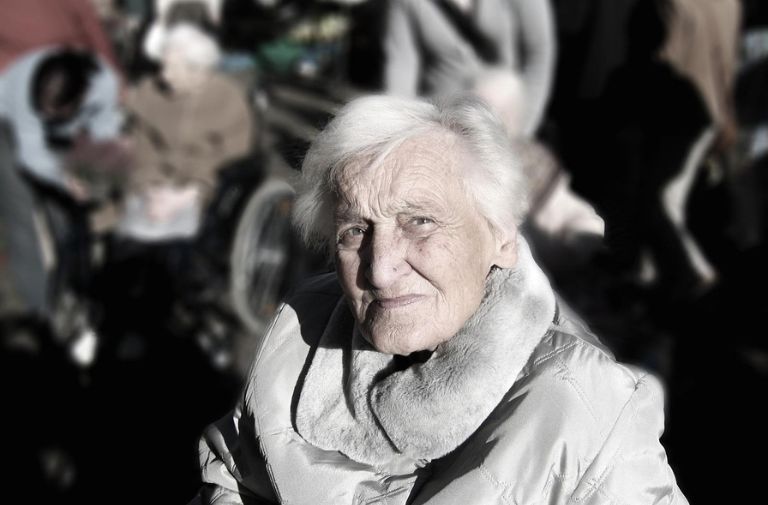
California has more older residents than any other state, and an industry built to match: skilled nursing facilities, board and care homes, memory care wings, assisted living, from Redding all the way down to Chula Vista. Sacramento also went further than most states in writing protections specifically for older adults instead of leaving them to general negligence law.
That matters more than it sounds like it should. Two families can walk in with almost the same story and end up in very different places, depending on how the claim gets labeled. A California elder abuse law firm will put real work into that question at the very start, because it's often the most valuable decision anyone makes in the case.
Put simply: proving somebody was careless and proving elder abuse are two different jobs. And they don't pay the same.
The Legal Threshold Is Higher Than Simple Carelessness
A regular negligence claim asks whether someone failed to be reasonably careful. One lapse can be enough.
California's elder abuse law asks for more than that. Broadly, it wants conduct that reaches recklessness — or oppression, fraud, or malice — rather than a single bad call. A nurse misreading a chart on one shift probably doesn't get there. A facility that wrote down that your father was a fall risk, then ran that hall short-staffed for two months anyway, is a different story entirely.
Usually it comes down to:
- Whether it happened once or kept happening
- Whether someone inside had already raised it
- Whether the choices were made in an office rather than on the floor
- Whether the care that was planned was ever actually delivered
Why Meeting the Higher Standard Is Usually Worth It
It's fair to ask why anyone would sign up for a harder burden of proof on purpose. The answer is what you get if you clear it.
Claims under the elder abuse statute can open remedies a plain negligence claim can't, including the possibility of recovering attorney's fees and costs. That sounds like housekeeping. It isn't — it can decide whether a case is worth bringing at all.
The bigger difference involves death. In California, if someone dies, their own pain and suffering generally dies with them for purposes of an ordinary claim. Under the elder abuse statute, in certain circumstances, what the resident went through before they died can still be recovered.
For a family whose mother suffered for months before she passed, that isn't a technical point. That's the case.
Expect the Defense to Reframe It as Professional Negligence
The other side will argue that what happened was medical or professional negligence — a clinical judgment, a treatment decision — and not neglect of basic care. They push for that label because California limits non-economic damages in professional negligence claims against health care providers.
Same facts. One label may run into a cap. The other may not.
The line between them isn't always obvious, and courts have gone back and forth on it. The rough question is whether the failure involved professional skill and judgment, or whether it involved withholding the basic things a dependent person needs — food, water, being cleaned, being turned, being watched.
Evidence That Tends to Support the Higher Standard
Recklessness almost never shows up in one document. It builds.
Here is what matters:
- Earlier complaints or grievances about the same problem
- Citations a regulator already issued
- Internal messages about being short-staffed
- Care plans written and then ignored for weeks at a stretch
- Charting holes across many shifts, not one
- Scheduling and budget records showing what staffing was actually planned
- Turnover numbers suggesting the place knew it couldn't cover its residents
The pattern does the work. One rough night is a mistake. The same failure every week for two months starts looking like a decision somebody made.
Financial Exploitation Follows a Separate Legal Track
California handles financial abuse of older adults separately, with its own rules about undue influence and its own remedies.
These claims often run right alongside a neglect case, especially where somebody was being cut off from family. They can also reach relatives, caregivers, or advisors rather than a facility. This is worth raising even when physical care is the more frightening problem.
Closing Line
Nobody arrives thinking about statutes. Families arrive with a photo on their phone and a weight chart showing twenty pounds gone, and a reasonable conviction that this didn't have to happen.
How that conviction becomes a legal claim isn't paperwork. Whether it proceeds as negligence or as elder abuse changes what records need to be pulled, what damages are on the table, whether a cap applies, and whether the claim survives the person it's about.
It's a call made early, usually on partial information, and it's hard to undo later. Which is really the whole argument for getting the records in front of someone now instead of spending a year wondering.
The views, opinions, and recommendations expressed in this article are solely those of the author and are provided for informational and editorial purposes only. They do not constitute professional advice and should not be relied upon as such. OutSFL makes no representations or warranties regarding the accuracy, completeness, or applicability of the content and assumes no liability for any actions taken based on it. The views expressed do not necessarily reflect those of OutSFL.