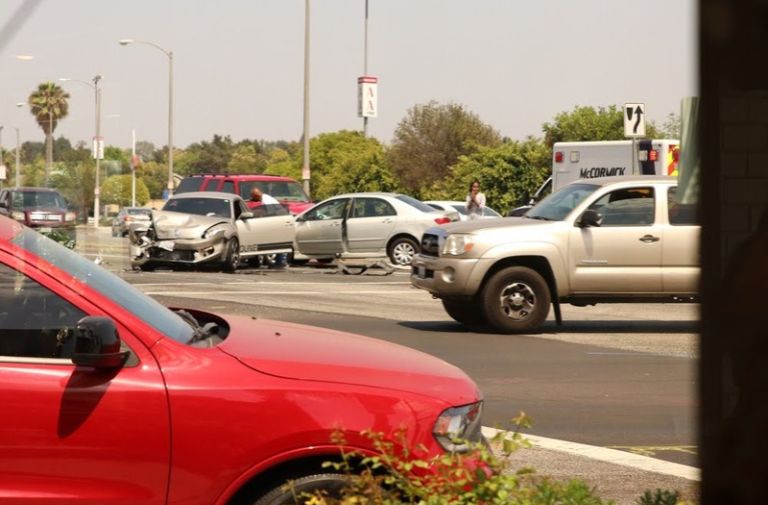
A crash involving several vehicles can turn one clear road event into several different stories. Each driver may remember the sequence differently, and the person blamed first is not always the person who caused the chain of impacts. That difference matters because fault should be based on facts, not the loudest version of events.
Legal help after a multi-vehicle crash may be considered if responsibility is disputed, especially after serious injuries or major vehicle damage. Evidence can show where each vehicle was, what happened first, and how the collisions followed. If blame has landed on you unfairly, the facts deserve a careful look.
Why You May Be Blamed for a Crash You Did Not Cause
Multi-vehicle crashes are harder to sort out because several impacts can happen within seconds. A timeline often reveals details that are easy to miss, including which vehicle moved first, stopped, or changed direction before impact. A driver may hit another vehicle after being pushed forward by a different collision. Someone farther back may then strike that vehicle, creating another impact.
Different Drivers May Tell Different Stories
Each person may describe the crash from their own position. One driver may say another vehicle stopped too late, while another may say they were forced into the next car. Insurance companies review these statements, but disagreements can remain.
Being involved in the final impact does not by itself prove that you caused the full crash. The order of events matters.
How Can You Show What Really Happened?
Facts can be more useful than assumptions. Evidence should help show the position of the vehicles, the order of impacts, and the conditions around the crash.
Evidence That May Matter
Useful records can include:
- Police reports and statements from witnesses who saw the crash
- Photos or videos showing vehicle positions, damage, traffic signals, and road conditions
- Dashcam or nearby security camera footage, if available
- Vehicle repair records that show the type and location of damage
- Medical records that connect injuries with the collision
- Other records that help establish speed, direction, or timing
The damage pattern can also matter. For example, damage to one part of a vehicle may help show which impact happened first. No single item always answers every question, so the full set of facts may need to be reviewed together.
What Should You Do If Someone Blames You?
A strong response starts with staying factual. Avoid guessing about details you cannot remember, and do not admit fault simply because another driver says you caused the crash.
Keep Your Account Clear
Tell police what you know without adding guesses. Share the same basic facts with your insurer and keep copies of reports, photos, bills, repair records, and other documents connected to the accident.
If you have photos or video, keep the original files rather than only edited copies. Also write down what you remember about the road, traffic signals, vehicle positions, and the sequence of impacts while those details are still clear.
Take Disputed Fault Seriously
If an insurance company says you caused the crash, ask what information supports that position. A disagreement about fault can affect whether a claim is paid and how responsibility is assigned.
If serious injuries or significant losses are involved, getting professional assistance can help you understand the claim process and the records being used to assess responsibility. A lawyer can review the available evidence and explain the legal issues that may apply to the specific case.
Can You Seek Compensation If Fault Is Disputed?
A dispute over fault does not automatically end the insurance claim. The key issue is what the available evidence shows about each driver's actions and the sequence of the crash.
State laws can affect how fault is handled and whether more than one driver may share responsibility. Because these rules differ, the facts of the accident and the law that applies to it both matter.
Keep documents related to injuries, treatment, vehicle repairs, missed work, and other accident-related expenses. These records can help show the losses connected with the crash.
A Fair Look at the Evidence Matters
Being blamed can make a confusing crash even harder to deal with, but an accusation is not the same as proof. A multi-vehicle collision should be reviewed by looking at the full sequence, the evidence, and each driver's role rather than focusing only on the final impact. If you are facing disputed responsibility, legal help after a multi-vehicle crash may provide an overview of the claim process and the issues that need attention. Keep your records, protect the evidence, and let the facts speak for themselves.
The views, opinions, and recommendations expressed in this article are solely those of the author and are provided for informational and editorial purposes only. They do not constitute professional advice and should not be relied upon as such. OutSFL makes no representations or warranties regarding the accuracy, completeness, or applicability of the content and assumes no liability for any actions taken based on it. The views expressed do not necessarily reflect those of OutSFL.