

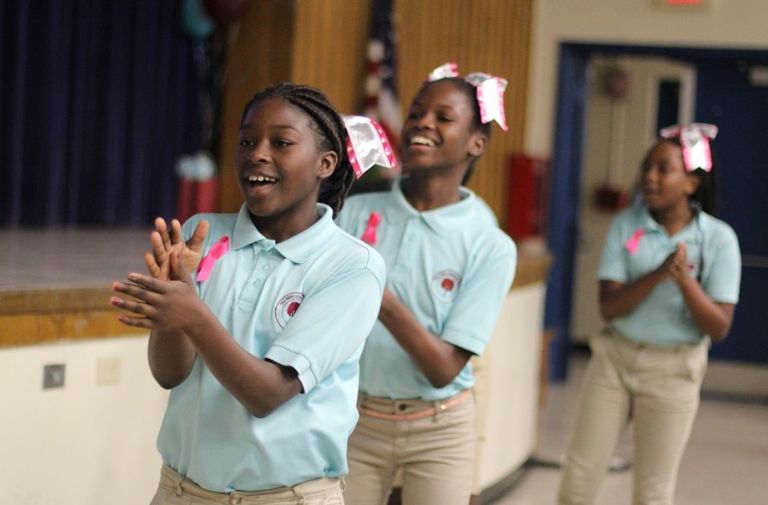
South Florida classrooms reflect the languages spoken at home. English and Spanish often share the same space, shaping how students learn from their earliest years. This shift did not happen overnight. It developed through decades of migration, community growth, and changing views on language instruction.
Families across Miami-Dade and Broward counties now expect schools to support more than one language. Bilingual education has moved from a specialized option to a common instructional path. Schools respond to this demand by expanding dual-language programs and teacher training.
This growth shows how education adapts to student needs. Language is no longer treated as a barrier. It is recognized as a tool that supports academic progress and social connection.
Why Bilingual Education Matters in South Florida
South Florida has one of the largest populations of students who speak a language other than English at home. Many children enter school already fluent in Spanish. Others grow up hearing two languages daily. Schools that reflect this reality help students feel confident and included.
Research shows that students learn concepts faster when instruction connects to familiar language patterns. Literacy skills built in one language often transfer to another. This approach supports reading, writing, and math growth over time.
Parents also value bilingual education for practical reasons. Strong language skills open doors in college admissions and future careers. Employers in South Florida often seek workers who can communicate across cultures.
Classroom Resources and Family Support
Bilingual programs require more than translated worksheets. Teachers need access to age-appropriate books, classroom materials, and training. Many educators invest personal time and money to fill these gaps.
Families supporting bilingual learners at home often juggle schoolwork, jobs, and language differences. When assignments become overwhelming, parents sometimes look for outside academic help. In those moments, a safe platform to pay for your homework can offer short-term support while students build stronger study habits.
This type of assistance works best when used carefully. It should support learning rather than replace it. Schools and families share responsibility for keeping students on track.
Common Bilingual Program Models
South Florida schools use several instructional formats. Each model fits different student populations and grade levels.
Most common program types include:
- Dual-language programs where English and Spanish receive equal instructional time
- Two-way immersion classrooms mixing native English and native Spanish speakers
- Transitional programs that shift students toward English instruction over time
These structures aim to develop literacy in both languages. Schools choose models based on enrollment, staffing, and family demand.
Academic Outcomes and Student Progress
Students in well-organized bilingual programs often show steady academic growth. Test performance improves as students strengthen reading skills in both languages. Math and science learning also benefit from clear instruction that avoids language confusion.
Teachers report that bilingual students participate more actively in class discussions. Confidence grows when students feel understood. This leads to better attendance and stronger peer relationships.
The key factor is consistency. Programs succeed when schools commit long-term and provide clear instructional goals.
Challenges Schools Continue to Face
Despite progress, bilingual education still faces obstacles. One challenge involves the cost of materials in multiple languages. Books published outside the United States can be expensive and difficult to source.
Another issue involves staffing. Certified bilingual teachers are in high demand. Schools compete to hire educators who can teach content and language together.
Assessment also raises concerns. Standardized tests given only in English may not reflect a student’s full ability. Schools work to balance testing requirements with fair evaluation methods.
Benefits Beyond Academics
Bilingual classrooms shape social development as well as academic skills. Students learn to respect different cultures early. They gain awareness that communication styles vary across families and communities.
This environment supports collaboration. Children learn patience and listening skills. These habits carry into later schooling and adult life.
Bilingual education also strengthens family involvement. Parents feel more connected when schools recognize home languages.
How South Florida Schools Are Expanding Access
Districts across South Florida continue to add bilingual classrooms at the elementary level. Early exposure helps students develop balanced literacy before academic demands increase.
Many schools partner with literacy initiatives to improve classroom libraries. Teacher workshops focus on reading instruction, phonics, and writing strategies in two languages.
Community interest remains strong. Enrollment requests often exceed available spots, showing how valued these programs have become.
What the Future Looks Like
Bilingual education in South Florida is no longer experimental. It is a response to real student needs. Schools refine their approaches based on outcomes, family feedback, and classroom experience.
As populations shift and languages evolve, programs will adjust. The core goal remains clear: help students succeed academically while honoring their linguistic background.
This balance supports learning today and prepares students for tomorrow.
Quick Comparison of Program Types
|
Program Type |
Languages Used |
Typical Grade Levels |
Primary Goal |
|
Dual-Language |
English & Spanish |
K–5 |
Balanced literacy |
|
Two-Way Immersion |
English & Spanish |
K–8 |
Bilingual fluency |
|
Transitional |
Native language → English |
K–3 |
English proficiency |