

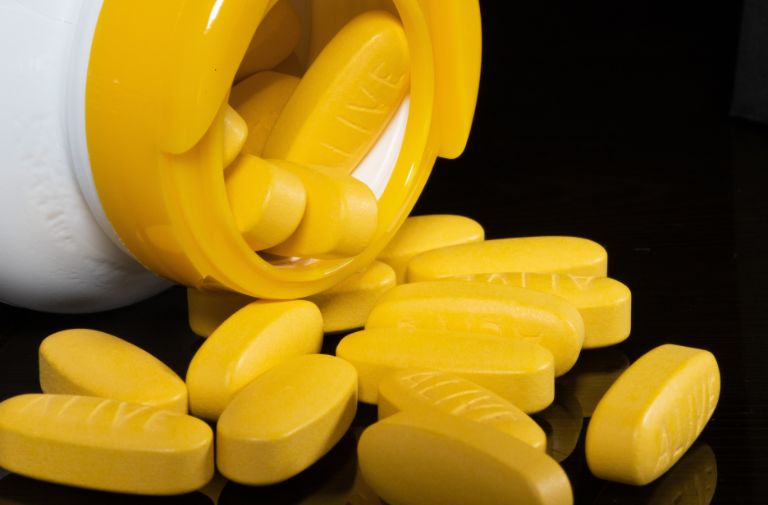
The gap between a drug possession charge and a distribution charge is enormous. Possession of a small amount of a controlled substance can be a misdemeanor in many states. Distribution is almost always a felony. The prison time, the fines, and the long-term consequences are in a different category entirely, and the line between the two charges is thinner than it should be.
What puts you on one side of that line or the other is not always whether you actually sold anything. A Charlotte drug crimes lawyer will tell you that distribution charges are frequently based on quantity, packaging, and what officers found alongside the substance. If the evidence for distribution is weak, the charge may not hold, but you need someone examining that evidence early.
Possession
Simple possession means the state is alleging you had a controlled substance and that it was for personal use. There is no allegation of selling or intent to sell.
There are two forms. Actual possession is the substance on your body(in your pocket, hand, or bag). Constructive possession is the substance in a space you control (your apartment, car, or storage unit). With constructive possession, the prosecution has to prove you knew it was there and that you had control over it.
The penalties vary depending on the substance, the amount, and the state. For example:
- First-offense marijuana possession in a decriminalized jurisdiction might carry a fine.
- Possession of heroin or fentanyl is a different situation, even in small amounts. A first offense may result in probation and court-ordered treatment. A second or third can mean jail time.
Distribution
Distribution charges allege that you were selling, delivering, or planning to sell a controlled substance. The penalties are severe. There are mandatory minimums at the federal level. In many states, they increase based on the quantity.
Here is the problem. You do not have to be caught selling. You do not have to have a buyer identified. The prosecution can build a distribution case on circumstantial evidence alone.
What kind of evidence? Quantity that exceeds what would reasonably be for personal use. Small baggies or bindles. A digital scale. A large amount of cash in mixed denominations. Multiple phones. Text messages that reference prices or amounts. Any combination of these, alongside the substance itself, is enough for a prosecutor to file a distribution charge rather than a possession charge.
The substance also affects how aggressively the charge is pursued. Fentanyl and methamphetamine distribution cases are prosecuted harder and sentenced longer than marijuana distribution in nearly every jurisdiction.
Where the Line Is Drawn
Some states have statutory weight thresholds. If the substance you are arrested with exceeds them, prosecutors can charge you with distribution or trafficking.
Other states give prosecutors more discretion. They look at the full picture. What was the quantity? How was it packaged? What else was in the room? Were there communications suggesting sales activity? The decision to charge distribution instead of possession is based on that analysis, and it is made by the prosecutor.
If the quantity is borderline, the packaging has an innocent explanation, or the circumstantial evidence is thin, you may be able to have the charge reduced to possession. Your attorney can pretrial through a motion to reduce the charge or during plea negotiations.
Constructive Possession in Distribution Cases
Drugs found in a shared apartment or a car with three passengers create an attribution problem. The prosecution cannot just point to the location. They have to connect you specifically to the substance and to the alleged intent to distribute.
If your roommate's drugs were in a common area, the fact that you lived there is not enough on its own. If you were a passenger in a car and the drugs were under the driver's seat, the prosecution has the same problem. Your attorney's job in these cases is to demonstrate that the link between you and the substance does not meet the legal standard.
Why This Matters Before a Plea
If you have been charged with distribution, do not assume the charge is final. A reduction from distribution to possession changes the mandatory minimums, the sentencing range, the plea options, and what ends up on your record. That assessment has to happen before any plea is entered, because once you plead to a distribution charge, the conviction and everything attached to it is permanent.
The views, opinions, and recommendations expressed in this article are solely those of the author and are provided for informational and editorial purposes only. They do not constitute professional advice and should not be relied upon as such. OutSFL makes no representations or warranties regarding the accuracy, completeness, or applicability of the content and assumes no liability for any actions taken based on it. The views expressed do not necessarily reflect those of OutSFL.