

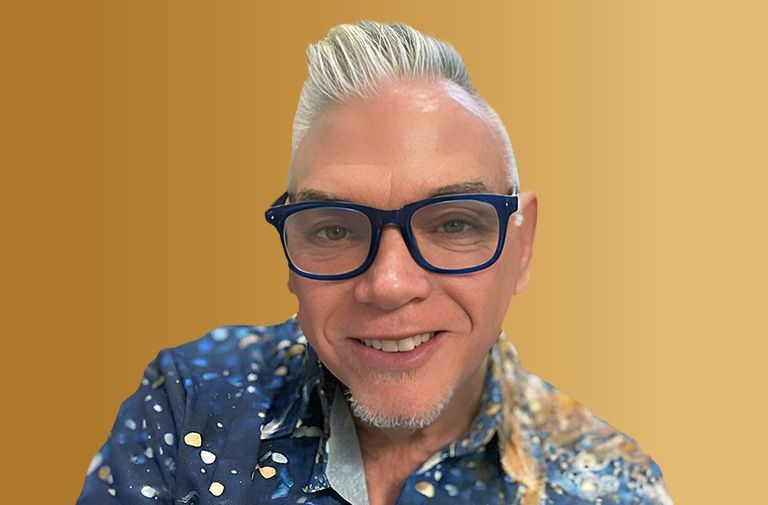
Michael White has lived through a period of LGBTQ history when visibility could carry enormous risk. At 71, he considers living openly both a privilege and a responsibility.
“After living through the AIDS epidemic, losing people I loved, and witnessing the incredible courage of those who fought simply to be seen, I understand that being visible is both a privilege and a responsibility,” White said.
White, a Margate resident, works as an executive administrator with Kids in Distress in Wilton Manors. Among his proudest experiences is reading weekly to the agency’s 4-year-olds, a routine that connects his professional work with the simple joy of serving children.
His community involvement also includes the Pride Center, FlockFest and the World AIDS Museum.
White said his identity has shaped every part of his life. Growing up and working when being openly gay was less accepted taught him resilience, empathy and how to read a room. He learned he did not need to hide, but he also wanted others to know him for his heart, integrity and work.
“Today, I hope my authenticity gives others permission to live theirs,” he said.
For White, being out and proud means living with authenticity, gratitude and joy. Whether he is serving children, creating art, traveling or moving through ordinary life, he hopes his openness reminds others that they deserve the freedom to be fully themselves.
“We stand on the shoulders of those who came before us—and because of them, we are still here,” White said.
His advice to LGBTQ youth balances self-respect with compassion. White urges young people never to let anyone convince them they must hide to deserve love, happiness or respect. At the same time, he encourages them to remember that everyone is moving through a different journey.
“You can't control how others respond, but you can choose to lead with kindness, integrity, and compassion,” he said. “Sometimes the most powerful way to change hearts is simply by living your truth with kindness.”
White’s favorite quotation, from Maya Angelou, offers a complementary lesson: “When someone shows you who they are, believe them the first time.”
His life and service reflect gratitude for those who made visibility possible, and a determination to use that visibility to make someone else feel less alone.